Catalpa is a precious native timber tree species in China, with both ornamental value
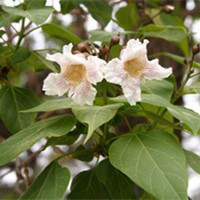
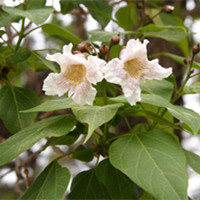
Catalpa is a deciduous tree of the genus Catalpa in the family Bignoniaceae. It has a long history of cultivation in China and has long been known among the people as the "king of trees". Its trunk is straight and tall, its crown is narrow and elongated, and its leaves are mostly triangular-ovate. It blooms each year at the turn of spring and summer, with flowers in pale red or pale purple, and the corolla often bears purple spots. When the blossoms open in clusters, they are quite beautiful.
Catalpa is mainly distributed in the Yellow River basin and the Yangtze River basin, and is commonly found in plains, hills, and low mountain areas. It is heliophilous, prefers a warm and humid climate, and also has a certain degree of cold tolerance. Its requirements for soil are not especially strict, but it grows better in deep, fertile, well-drained sites. Catalpa has a well-developed root system and a relatively long lifespan, making it a tree species with strong adaptability.
The wood of catalpa has straight grain and a tough texture, and is not prone to warping, cracking, or deformation. It has long been regarded as a superior timber and is commonly used for furniture, musical instruments, and construction. At the same time, its tree form is upright and its flowers are elegant in bloom, making it suitable for use as a street tree, shade tree, and for greening around homes and roadsides. It combines both timber and ornamental value.
For propagation, catalpa can be raised by sowing, cuttings, grafting, and root burial. When cultivating it, sunny plots with good drainage should be chosen, and seedlings should be watered and fertilized appropriately during the seedling stage. After establishment, management is relatively extensive. Overall, catalpa is a native tree species with ecological, economic, and ornamental value, and is worth promoting and applying in greening and afforestation.