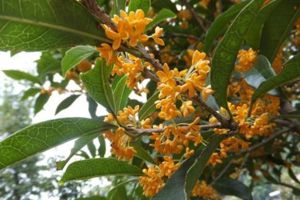
Characteristics and Care Methods of Mountain Laurel, and the Difference Between Mountain Laurel and Osmanthus
Mountain laurel (Kalmia latifolia) is an evergreen shrub in the genus Kalmia of the heath family (Ericaceae). Some people also call it broadleaf mountain laurel or American mountain laurel. It is native to eastern North America and is mostly cultivated in China as an ornamental flowering plant. Although its name contains the character for "gui" (osmanthus/laurel), it is not the same type of plant as osmanthus (Osmanthus fragrans) in the Oleaceae family, nor is it related to the bay tree (Laurus nobilis) used as a spice.
The leaves of mountain laurel are leathery and glossy, elliptical in shape, and evergreen all year round. In late spring and early summer each year, clusters of flowers bloom at the tips of the branches. The corolla is shaped like a small cup, with colors including pink, white, and deep red, and some cultivars have spots on the petals, making them very striking when in full bloom. It grows slowly and has a rounded plant form, making it an excellent flowering shrub.
In terms of care, mountain laurel prefers a semi-shaded environment and is suitable for planting under sparse woodland or in courtyards with soft lighting. It prefers loose, moist, and well-drained acidic soil, and dislikes waterlogging and alkaline soil. Keeping the soil slightly moist on a daily basis is sufficient. During high temperatures in summer, pay attention to shading and watering. After flowering, appropriately prune spent flowers and overly dense branches to help maintain an attractive plant shape.
It should be noted that the entire mountain laurel plant contains toxic components, and neither the branches, leaves, nor flowers can be eaten. Extra caution should be taken if there are children or pets at home. Also, precisely because it is only similar in name to osmanthus, many readers easily confuse the two. If you would like to learn about the differences between osmanthus varieties such as golden osmanthus and August osmanthus, you can read the related articles on this site.
Related Reading