Clover Planting Methods and Common Questions Explained
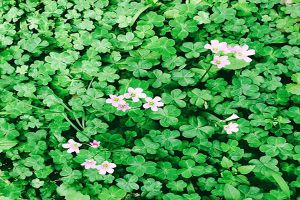
Clover is the collective name for plants in the genus Trifolium of the legume family, with common varieties including white clover (Trifolium repens), red clover (Trifolium pratense) and others. Its leaves are generally made up of three leaflets, and the leaf surface often bears pale markings. Because of its small, distinctive appearance it is widely loved, serving both as lawn ground cover and as a common forage plant.
Clover likes a warm, humid environment with plenty of light, and it also has a certain tolerance for shade. It is not demanding about soil, and grows better in loose, well-drained soil. Its roots carry root nodules that can fix nitrogen from the air, so it is also often used to improve soil or planted in mixed sowings with other plants.
Planting clover is fairly simple, mostly done by sowing seed, and it can be done in either spring or autumn. In routine care, just keep the soil moist and avoid waterlogging; adding a suitable amount of water and fertilizer during the growing season will make the leaf color deeper green and the coverage faster. It can also be grown in water for ornamental purposes: choose healthy plants, change the water regularly and give them diffused light, and they will stay in good condition.
Many readers wonder whether clover is toxic. Generally speaking, common garden varieties have no obvious toxicity, but it is not advisable to eat them in large quantities at will, to avoid causing discomfort. In addition, clover leaves fold up at night or when the environment changes; this is a normal sleep movement, a natural response of the plant to changes in light, so there is no need to worry.