An Analysis of the Benefits and Effects of the Hibiscus: Good for Both Ornamental and Medicinal Use
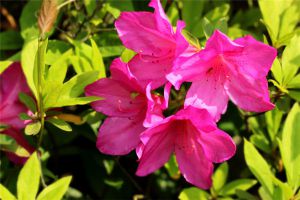
Hibiscus, also known as cotton rose or frost-defying flower, is a deciduous shrub or small tree in the mallow family (Malvaceae), genus Hibiscus, and generally blooms in autumn. Its flower color changes with the time it has been open, usually white in the early morning, then gradually turning pink and even deep red, which is why it is popularly called "three-drunk hibiscus." This alone makes it quite interesting as an ornamental.
As an ornamental, the hibiscus has large, eye-catching blooms, and it flowers just when most other flowers are becoming scarce, making it suitable for planting as a single specimen or in groups in courtyards, along roadsides, and beside ponds. It can noticeably enrich the layering of the autumn landscape, and some cities have even chosen it as their city flower and use it as an important flowering tree in landscaping.
Medicinally, the flowers and leaves of the hibiscus are fairly commonly used in traditional Chinese medicine. They are generally considered cool in nature and to have effects such as clearing heat and detoxifying, reducing swelling, and draining pus. In folk practice, fresh flowers or leaves are often pounded and applied externally to relieve discomfort such as sores, carbuncles, and swelling. However, this kind of use mostly comes from traditional experience, so if you actually need medication, you should first consult a professional doctor and must not try it on your own at will.
In addition, the hibiscus has a fairly developed root system and a certain ability to stabilize soil and protect slopes, so it is often planted along riverbanks, embankments, and slopes to help conserve soil and water. In daily care, it likes sunlight and a warm, humid environment, has good tolerance for moisture, and is relatively low-maintenance, so it can be said to be a native flowering tree that combines ornamental and practical value.
Related Reading