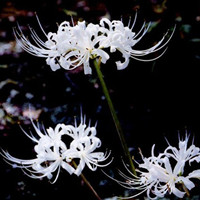
Bulb flowers come in many varieties, and understanding their characteristics makes care easier
Bulb flowers are ornamental flowers whose underground parts are thickened and transformed into spherical or block-like storage organs; common underground organs include bulbs, corms, tubers, rhizomes and tuberous roots. These organs can store water and nutrients, helping the plants survive adverse seasons such as high or low temperatures, and when conditions become suitable again they sprout, grow and bloom once more.
According to planting season and growth habit, bulb flowers can be broadly divided into two groups: spring-planted bulbs and autumn-planted bulbs. Spring-planted types such as gladiolus, dahlia and canna are mostly planted in spring and bloom in summer and autumn, and in winter they need protection from cold or lifting and storage of the bulbs. Autumn-planted types such as tulip, hyacinth and narcissus are generally planted in autumn and, after accumulating low temperatures through winter, bloom the following spring.
In caring for bulb flowers, the key lies in soil, light and water management. Most bulbs prefer loose, fertile, well-drained sandy soil; long-term waterlogging easily causes the bulbs to rot. During the growing period, ensure sufficient light and water moderately. After flowering, promptly cut off spent flowers but keep the leaves to continue photosynthesis, allowing the bulbs to accumulate enough nutrients and laying the foundation for blooming the next year.
Bulb flowers have rich flower colors and neat plant forms, making them suitable for flower beds and borders, and they are also often used for potted display or cut flower production. When planting, pay attention to the planting depth; generally covering the bulb with soil to two to three times the bulb height is appropriate, though the specifics vary by variety. After entering dormancy, the lifted bulbs can be properly stored in a ventilated, cool and dry place, ready to be planted again the next season.
Related reading