How to plant Boston ivy: only with the right method will it grow vigorously
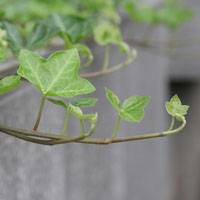
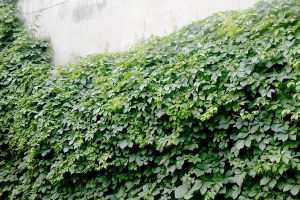
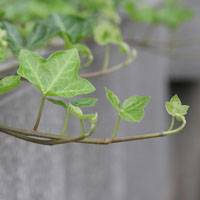
Boston ivy is a perennial deciduous climbing vine of the genus Parthenocissus in the grape family (Vitaceae), also known as Japanese ivy and wall-climbing ivy. It clings to walls, rocks or supports by means of tendrils and adhesive discs on its stems; it grows fast and covers strongly, and is often used for vertical greening. In summer it can block sunlight, and it also has a certain heat-insulating and cooling effect on walls.
The two most commonly used ways to plant Boston ivy are cuttings and sowing. Cuttings are mostly taken in spring and summer: cut healthy, vigorous branches and insert them into loose, moist soil, keep the humidity up, and they will soon root and survive. Sowing is generally done in spring; after the seeds are soaked to promote germination, they are sown in a seedbed, and once the seedlings emerge they are transplanted and set in place. If you find raising seedlings troublesome, you can also directly buy young plants to plant, and the survival rate will be more assured.
Boston ivy has low demands on the environment; it is drought-tolerant, cold-tolerant and fairly tolerant of poor soil, but it grows better in deep, well-drained, fertile soil. It likes light and also tolerates shade, so both sunny walls and semi-shaded positions allow normal growth; only with sufficient light is the leaf color deeper, and the effect of turning red in early autumn is also more obvious.
Daily care is relatively simple. When planting, water thoroughly to settle the roots; after it survives, natural rainfall can basically sustain its growth, and you only need to supplement water appropriately during long droughts. Because it grows vigorously, you need to guide the branches to climb in time and properly prune overly dense and overly long branches and vines, so as to avoid blocking doors and windows or affecting pipes and lines. Boston ivy rarely suffers serious pests and diseases, making it an easy-care greening vine, very suitable for beautifying courtyards, walls and trellises.