A Detailed Guide to the Characteristics and Indoor Care of the Ming Fern (Asparagus retrofractus)
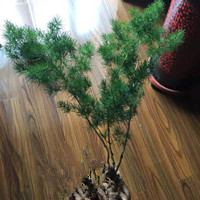
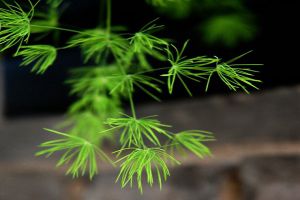
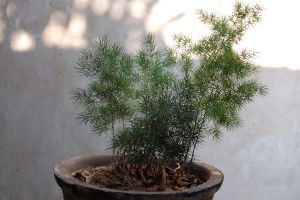
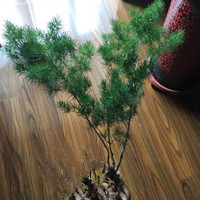
The Ming fern (Asparagus retrofractus) is a perennial evergreen shrub of the genus Asparagus in the family Asparagaceae, also known as wuzhu or pine-leaved asparagus, and is native to South Africa. Its stems are upright, with slender, densely clustered branches that spread outward in a feathery form; its emerald-green cladodes closely resemble pine needles from a distance, which is how it got the name Ming fern. With its elegant shape and year-round greenery, it is a very popular foliage houseplant.
The ornamental value of the Ming fern lies mainly in its branches and leaves. Its foliage is fine and dense, with a graceful, free-flowing form, making it suitable for placement in living rooms, studies, balconies and other spots to add greenery indoors. Its branches can also be cut for use as filler in flower arrangements, as they do not wilt easily, making it a favorite among flower-arranging enthusiasts; combined with its auspicious meaning of good fortune and longevity, it is also often used as a festive floral gift.
The key to caring for a Ming fern lies in managing temperature, light and water. It prefers a warm, humid, semi-shaded environment and dislikes harsh sun exposure, so in summer it should be placed in a well-ventilated spot with indirect light; it is not cold-hardy in winter, so it needs to be moved indoors promptly to keep warm. Watering should follow the principle of watering when the soil is dry, keeping the potting soil moist but never waterlogged; a loose, fertile, well-drained sandy loam is best, and during the growing season a light fertilizer can be applied frequently.
Many people wonder whether the Ming fern is toxic and whether it can be placed in a bedroom. Generally speaking, the Ming fern is non-toxic and can be kept indoors with peace of mind; placing it in a bedroom can also brighten the setting, as long as attention is paid to maintaining ventilation and providing appropriate light. By promptly pruning dead branches and yellow leaves and watching out for common pests such as scale insects, the plant's shape can remain attractive for a long time.