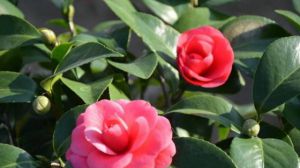
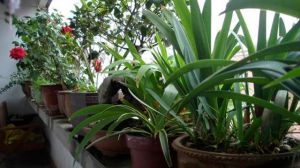
Woody flowering plants come in a rich variety of species and, with proper care, can bloom and be enjoyed for many years.
Woody flowering plants are ornamental plants with lignified stems that can grow for many years, as opposed to herbaceous flowering plants. These plants have a relatively long lifespan, and their branches and trunks become more pronounced as the years go by; common forms include trees, shrubs and vines. Because of their well-developed root systems and sturdy xylem, most woody flowering plants have strong adaptability and stress resistance, and with proper care they can bloom year after year.
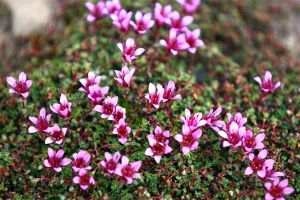
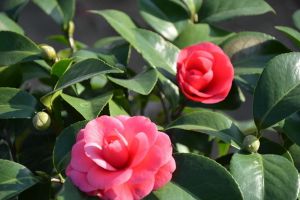
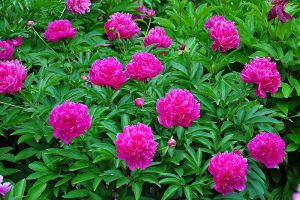
There are many common types of woody flowering plants, such as plum blossom, osmanthus, jasmine, Chinese rose, camellia, azalea, tree peony, crape myrtle and lilac, covering different categories such as flowering, fruiting and foliage plants. They can also be classified by habit into sun-loving, shade-tolerant, cold-tolerant and warmth-loving types. Some are suitable for planting in the ground in courtyards, while others are suitable for pots or balcony growing; when choosing, you can decide based on the local climate and the placement environment.
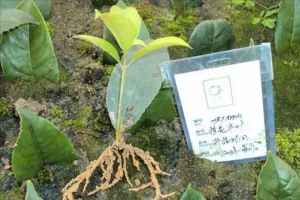
Woody flowering plants are mostly propagated by cuttings, grafting and layering. Among these, cuttings are simple to do and widely used; selecting healthy branches and maintaining suitable humidity and temperature helps increase the survival rate. In daily management, you should provide adequate light, water so that the soil dries out between waterings, prune dead branches and spent flowers appropriately after blooming, and supplement fertilizer reasonably during the growing season, so that the foliage becomes lush and flowering continues.
Woody flowering plants have a stable flowering period and a long ornamental period, and are often used for courtyard greening, road beautification and holiday displays; many types also carry a pleasant fragrance. The more common problems in care are pests such as aphids and red spider mites, as well as diseases such as leaf spot. Usually keep the air moving and the light penetrating, clean up diseased branches and fallen leaves in time, and deal with pests as early as they are found, and the plants will maintain healthy growth.
Related Reading