Datura Flower: Benefits, Uses, and Safety Precautions
Datura flower is the collective name for plants in the genus Datura of the nightshade family (Solanaceae), commonly known by other names such as Asiatic moonseed and drunken-heart flower, and mostly consisting of annual herbs. The plant usually stands around one meter tall, with broad leaves and trumpet-shaped or funnel-shaped flowers that are most commonly white, though purple and yellow varieties also exist; they bloom mostly in summer and autumn, and the blooms are large and eye-catching.
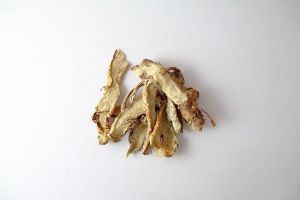
From the perspective of traditional medicinal use, dried datura flowers are often called Yangjinhua and are a medicinal material in traditional medicine. The plant contains alkaloids such as scopolamine and hyoscyamine, which are traditionally considered to have certain effects in relieving asthma and cough and in easing pain and spasms, and related alkaloids are also used in modern medicine to prepare certain drugs. However, such uses must always be carried out under the guidance of a professional physician, and ordinary readers must never collect and take it on their own.
It must be especially noted that the entire datura plant is toxic, with the seeds and young leaves being particularly poisonous; after accidental ingestion, symptoms of poisoning such as dry mouth, dilated pupils, rapid heartbeat, and hallucinations may occur, and in severe cases it can even endanger life. There are no shortage of lessons from people being poisoned after mistakenly using it as a food ingredient or folk remedy, so for whatever purpose, individuals are not advised to use datura as medicine without authorization.
In terms of application value, datura flower is mainly cultivated as an ornamental flower. Its flower shape is unusual and its fragrance is strong, becoming more noticeable from evening into the night, making it suitable for arranging courtyards, flower beds, or as a background plant. If grown in a home environment, it should be placed somewhere children and pets can hardly reach, and it is best to wear gloves when pruning or weeding to avoid the sap contacting the mouth, nose, and eyes.
Related Reading