Iris lactea is a drought-tolerant and salt-alkali-tolerant herbaceous plant that is easy to grow
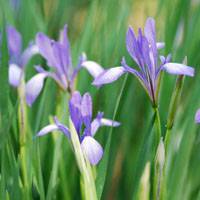
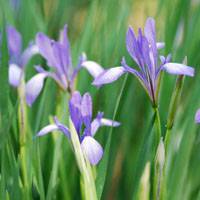
Iris lactea is a perennial herbaceous plant in the genus Iris of the family Iridaceae, also known as Malian, iris flower, and Hanpu, among other names; the names vary from place to place, but they mostly refer to the same plant. Its root system is well developed, and its leaves are narrow and elongated, strap-shaped, growing in clumps from the base, with the clumps neat and compact. Each year in late spring and early summer, Iris lactea sends up flower stalks and blooms with pale blue-purple or blue-purple flowers; the flower shape is elegant, and the ornamental period is fairly concentrated.
The greatest characteristic of Iris lactea is its strong adaptability: it is drought-tolerant, cold-tolerant, and salt-alkali-tolerant, and it is also relatively tolerant of trampling and poor soil. Whether on dry wasteland or roadsides, or on heavily salinized and alkalized land, it can grow normally, so it is often used for soil and water conservation, slope protection and soil stabilization, and urban landscaping. Compared with many delicate ornamental flowers, Iris lactea requires far more extensive management.
Iris lactea is indeed easy to grow. It is generally propagated by seeding or division; after planting, watering thoroughly is enough for it to survive, and afterward it basically needs no meticulous care; just water appropriately during prolonged drought. When planted in the ground, it has few pests and diseases and does not demand much fertilizer; adding a small amount of fertilizer during the growing season can make the leaves a deeper green and improve flowering.
Besides ornamental and landscaping uses, Iris lactea has many other uses. Its leaves are pliable and have traditionally often been used to tie up items or weave straw products, and its flowers and seeds also have value in some regions. Overall, Iris lactea is an attractive, easy-to-grow, and highly practical native plant, suitable for planting in courtyards, along roadsides, and in open green spaces.