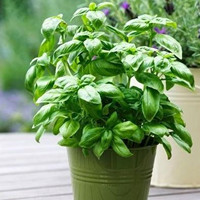
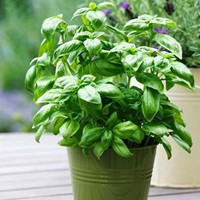
Basil seeds are the seeds of the basil plant; they swell when soaked in water and are edible.
Basil seeds are the mature seeds of the basil plant, a member of the Lamiaceae family. The grains are tiny and oval, mostly dark brown in color. They are also commonly known among people as lanxiangzi or mingliezi, and they come from the same source as the familiar culinary herb basil. Basil seeds themselves have almost no noticeable flavor, but once they meet water they quickly absorb it and swell, forming a transparent gelatinous outer coating on the surface and giving a smooth, slippery mouthfeel.
The most obvious characteristic is the change after soaking in water. Dry basil seeds are very small; after being left to soak in clean water for a while, the outer gel gradually unfurls and the grains visibly enlarge, looking as if they are wrapped in a layer of jelly. This gel is mild and tasteless, which makes it very suitable for pairing with all kinds of ingredients.
As for eating, soaked basil seeds are often added to lemonade, honey water, coconut milk or fruit juice, and are also used to make puddings and jelly-type desserts, mainly to add texture. As for growing, basil seeds are the main material for propagating basil by sowing. Sow in a season when the temperature has steadily warmed up, keep the soil moist and the light plentiful, and the seedlings will gradually grow into healthy basil plants.
When eating basil seeds, they should first be fully soaked; it is not advisable to swallow the dry seeds directly, and enough water must be used when soaking. Once prepared, basil seeds are best eaten as soon as possible and should not be left standing for long. When choosing them, check whether the grains are plump and whether there are impurities or off odors. After buying them, just store them sealed in a cool, dry place.
Related Reading