Aloe flowering is a sign of proper care: understanding its flowering characteristics and key care points
Aloe flowering refers to the phenomenon in which a mature aloe plant sends up a flower stalk from its leaf rosette and blooms. Aloe is a perennial herbaceous plant, and it generally does not flower until it reaches a certain plant age and is kept under fairly suitable care conditions, so it is not especially common in ordinary home pot cultivation, and being able to see it bloom is often a pleasant surprise.
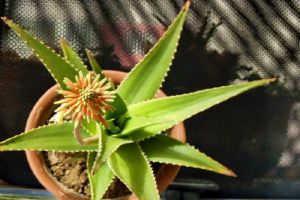
When aloe blooms, the flower stalk usually emerges from between the leaves, rising clearly above the leaf rosette, with a spike-like or raceme inflorescence borne at the top, and the flower colors are mostly orange-red, yellow, or reddish tones. The flowering period varies with variety and local climate, generally appearing mostly in the warm season, and a single plant's flowering period can last for some time.
From a care perspective, aloe flowering usually indicates that the plant is growing robustly with a well-developed root system, and that light, temperature, and water and fertilizer management are all fairly well handled, making it a sign of good condition. Because flowering consumes a good deal of nutrients, fertilizer can be added appropriately before and after the flowering period to help the plant recover as quickly as possible after blooming.
Many flower enthusiasts encounter the situation where an aloe kept at home for a long time still refuses to bloom. Generally speaking, long-term insufficient light, compacted potting soil, going a long time without repotting, or the plant itself still being relatively young can all lead to failure to bloom, and this can be improved by increasing light, loosening the soil and repotting regularly, and caring for it patiently. After the flowers have finished blooming, the remaining flower stalk can be cut off to reduce nutrient consumption and let the aloe focus its energy on leaf growth.
Related Reading