A Detailed Explanation of the Benefits and Effects of Forsythia and an Introduction to Its Application Value
Forsythia is a deciduous shrub in the genus Forsythia of the olive family (Oleaceae). It blooms first in early spring and then grows leaves, with its branches covered in small golden-yellow flowers, and it is fairly widely distributed in regions such as North China and Northwest China. It is both a common ornamental plant, and its dried fruit is also a traditional Chinese medicinal material, so quite a few people pay particular attention to its benefits and effects.
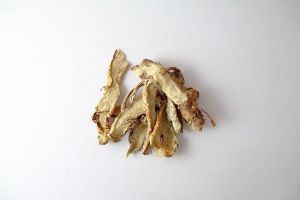
From a medicinal point of view, forsythia uses its fruit as medicine. In traditional Chinese medicine it is considered bitter in taste and slightly cold in nature, with effects such as clearing heat and detoxifying, and reducing swelling and dispersing nodules, and it is often used for wind-heat colds, sore and swollen throat, and carbuncles, swellings and sores. In some classic formulas and common Chinese patent medicines, forsythia is an important ingredient, and it is very widely used among heat-clearing medicinal materials.
Besides its medicinal value, forsythia's ornamental value is also outstanding. It is cold-resistant and drought-tolerant, highly adaptable, and relatively easy to care for, making it suitable for planting in courtyards, along roadsides or on slopes. In early spring its branches are covered in gold, adding a great deal of vitality to garden landscapes, and in some areas it is also used as a greening tree species for soil and water conservation.
It should be noted that forsythia's medicinal nature tends toward cold and cool, so people with deficiency-cold of the spleen and stomach should not take it casually, and fruit picked and dried on one's own cannot be equated with qualified medicinal material. If you want to use it for daily health care or bodily conditioning, it is advisable to first consult a Chinese medicine practitioner or pharmacist and use it reasonably according to your own situation under professional guidance.
Related Reading