Wintersweet: Benefits and Uses, Perfect for Both Winter Flower Viewing and Tea
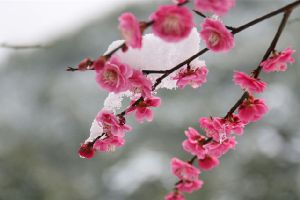
In botany, wintersweet is more often written as Calycanthus praecox (wax plum), named because its petals resemble wax and it usually blooms in the twelfth lunar month; it is a deciduous shrub in the Calycanthaceae family. It flowers before it leafs out, covering its branches with small golden blossoms in the depths of winter, with a clear, long-lasting fragrance. It is a traditional winter ornamental flowering tree, and it also has considerable practical value.
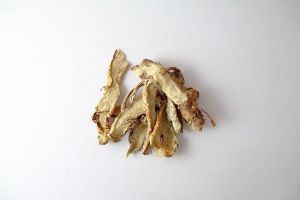
When it comes to the benefits of wintersweet flowers, the first lies in their use for fragrance. The flowers contain volatile aromatic oils with a rich scent and can be used to extract natural essences and blend spices. Folk custom also favors picking the flowers when half-open, drying them in the shade, and then brewing them as flower tea or using them to scent tea; the resulting liquor is fresh and pleasantly fragrant.
In traditional medicinal use, classical texts record that wintersweet flowers relieve summer heat and promote fluid production, and open up depression and dissipate nodules. Folk practice commonly uses them for summer-heat thirst, dizziness and chest tightness, and there is also a saying that the processed flowers can be applied externally to ease minor burns. However, medicinal use depends on proper processing methods and dosage, and it should be used under professional guidance; it is not advisable to take large amounts on one's own.
It must be especially noted that the seeds of wintersweet, commonly called tubadou, are toxic and have a strong purgative effect. The branches and leaves are likewise not meant to be eaten. When growing it in a courtyard, prevent children and pets from mistakenly eating the flowers, fruits, branches or leaves.
For routine care, wintersweet likes sunlight, tolerates cold and drought, and fears waterlogging, so it is best planted in a sunny spot with good drainage. If the leaves turn yellow, it is mostly related to overwatering, soil alkalization or insufficient light; timely adjustments to management will restore it. Overall, wintersweet flowers combine ornamental, aromatic and medicinal value. Plant one in the courtyard in winter, and it is perfect for both flower viewing and tea.
Related Reading