The correct way to use jasmine fertilizer: fertilize properly and jasmine will bloom more vigorously
Jasmine fertilizer is the general term for all kinds of fertilizers applied while caring for jasmine, including the base fertilizer used at planting and the topdressing added during the growing period and flowering period. Jasmine loves fertilizer, its branches grow quickly, and it can bloom several times a year, so it consumes a large amount of nutrients. Therefore, reasonable fertilization is an important part of ensuring lush branches and leaves and continuous blooming.
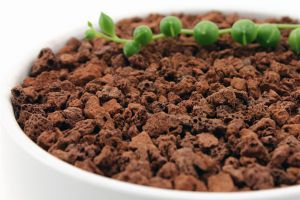
Commonly used jasmine fertilizers fall into two major categories: organic fertilizers and chemical fertilizers. Organic fertilizers such as rotted cake fertilizer, livestock and poultry manure, and bone meal have comprehensive nutrients and a mild, long-lasting effect, and are mostly mixed into the potting soil as a base fertilizer; chemical fertilizers such as nitrogen-phosphorus-potassium compound fertilizer and potassium dihydrogen phosphate have a quick effect and are convenient to use, making them suitable as topdressing. During the growing period, nitrogen fertilizer can be added appropriately to promote branch and leaf growth, while before flower buds form and bloom, phosphorus and potassium fertilizers should be the main choice to help flower bud differentiation, so the flowers bloom more and have a stronger fragrance.
Fertilization should follow the principle of applying thin fertilizer frequently; concentrated fertilizer and unrotted raw fertilizer can easily burn the roots. Generally, topdressing begins after sprouting in spring, and during the flowering period a dilute liquid fertilizer is applied about every ten days. After each bloom, fertilizer should be replenished promptly to help the plant recover its strength. During the high temperatures of summer and the low temperatures of winter, jasmine grows slowly, so fertilization needs to be reduced or paused.
In daily care, if fertilizer is lacking for a long time, jasmine is prone to yellowing leaves and sparse flowering; if the fertilizer is too concentrated, it will cause the leaves to scorch and fall off. At that time, the potting soil should be flushed promptly with a large amount of clean water, and in severe cases the soil should be changed to let the plant recover. Homemade flower fertilizers such as rice washing water and fruit peel water must also be fully rotted and diluted before use, to avoid secondary fermentation in the pot that harms the roots.
Related Reading