What Does Lupine Mean? A Detailed Guide to Its Flower Language, Symbolism and Characteristics
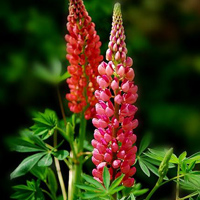
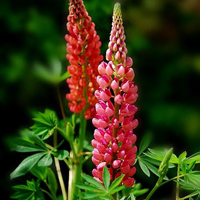
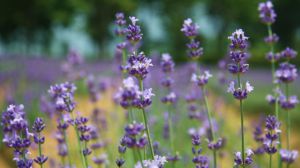
Lupine is the common name for herbaceous plants of the genus Lupinus in the legume family (Fabaceae), whose scientific name is Lupinus; the Chinese name "lupine" comes from a transliteration of the English word "Lupin." Its inflorescence is a tower-shaped spike made up of many small flowers densely packed together, and the flower colors include blue, purple, pink, yellow, white and more; when in full bloom, the spikes stand upright in clusters and are highly ornamental. Because of a widely circulated song of the same name, this name is known to almost every household in China.
In terms of characteristics, the leaves of lupine are palmately compound, shaped like an open palm, and its root system is well developed and bears root nodules that can fix nitrogen from the air. For this reason, it is often planted on relatively poor land as a green manure, helping to improve the soil and boost fertility; this habit of quietly nourishing the land is also an important source of its cultural symbolism.
In terms of symbolism, the flower language of lupine is maternal love, resilience and dedication. It endures barren soil, and after the flowering season it turns into nutrients that give back to the earth, which fits very well with the image of a mother enduring hardship and giving selflessly; therefore people often use it to express gratitude and longing for their mothers, and it is also suitable as a gift for elders on relevant holidays.
For care, lupine likes a cool climate and ample sunlight, dislikes high temperature and high humidity, and is best planted in well-drained, loose and fertile soil. In gardens it is mostly used in flower beds, flower borders or as a cut flower; by paying attention to drainage during the rainy season and providing appropriate shade in summer, you can help it grow better and bloom more abundantly.
Related Reading