Orchidaceae: Characteristics, Common Species, and Care Essentials
Orchidaceae is a large family among the angiosperms, commonly known as the orchid family, widely distributed around the world, with the greatest species richness in tropical and subtropical regions. Orchids are mostly perennial herbs, with delicate flowers and unique structures; they have long been outstanding among ornamental flowers and are a popular group of interest for gardening enthusiasts.
Orchids are clearly recognizable in morphology; their flowers are usually bilaterally symmetric, with one petal specialized into a lip, varied in shape and rich in color, which is an important marker for identifying orchids. Their seeds are as tiny as dust; although numerous, germination under natural conditions requires symbiosis with specific fungi, so orchids reproduce relatively slowly in the wild and appear especially precious.
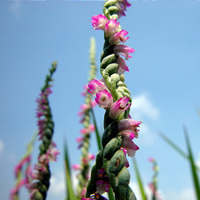
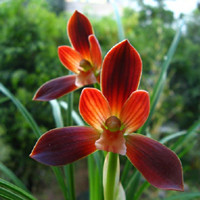
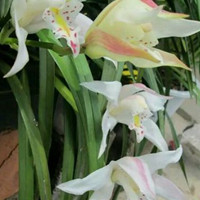
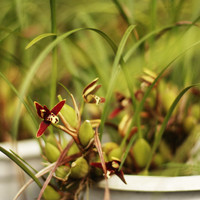
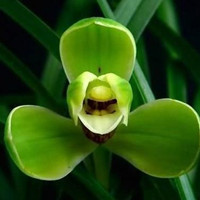
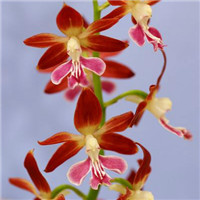
The orchid family is huge; common Chinese orchids include Cymbidium goeringii (spring orchid), Cymbidium faberi (Faber's cymbidium), Cymbidium sinense (Chinese cymbidium), and Cymbidium ensifolium (four-season orchid), while representative exotic orchids include Phalaenopsis (moth orchid), Dendrobium, and Cattleya. The Pogonia, Spiranthes (ladies' tresses), Cymbidium goeringii 'Doubanlan', Cymbidium 'Duzhanchun', Maxillaria (Axillary-lip orchid), and Cymbidium 'Songmei' included on this site all belong to the orchid family; they each have distinctive flower color, plant form, and growth habits, and are worth learning about one by one.
In terms of care, most orchids prefer a warm, humid environment with good ventilation and ample diffused light; the growing medium should be loose and airy, and watering should follow the principle of watering when dry and letting dry between waterings, avoiding waterlogging that causes root rot. Besides their ornamental value, some orchid species can also be used as medicine or in fields such as food and spices, and they hold an important place in gardening culture and daily life.