An Introduction to the Benefits, Effects and Ways of Eating Bitter Greens
Bitter greens is a collective name for several wild vegetables in the genus Sonchus of the aster family (Asteraceae). They grow widely in fields, along roadsides and on hillsides, and their tender leaves can be eaten. They get their name from their slightly bitter taste. They are called different things in different places, with common names including bitter sow thistle and bitter lettuce, and they are one of the wild vegetables commonly seen in spring and summer.
The nutritional value of bitter greens lies mainly in their rich content of vitamins, minerals and dietary fiber, along with their low calorie content. Traditional dietary thinking holds that bitter greens are cooling in nature, and that eating them in moderation helps clear heat and reduce internal fire and stimulates the appetite and aids digestion. The dietary fiber they contain can also promote intestinal movement and is somewhat helpful in relieving constipation.
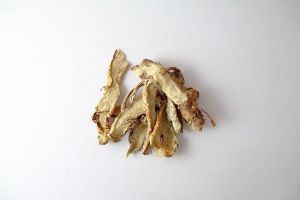
As for eating them, the most common way to prepare bitter greens is to blanch them in water and then serve them as a cold salad; they can also be stir-fried, cooked in soup or eaten dipped in sauce. Blanching reduces the bitterness, and pairing them with minced garlic, fragrant vinegar and other seasonings makes the taste even more refreshing. In some regions, bitter greens are also dried and preserved to be steeped in water or used in dishes later on.
One thing to keep in mind is that bitter greens are rather cold in nature, so people with weak and cold stomach and spleen, or who are prone to diarrhea, should not eat too much of them. When gathering them in the wild, identify the plant's form carefully to avoid mistakenly picking similar-looking plants, and try to stay away from roadsides and polluted areas. Before eating, they should be washed thoroughly and blanched in water, which makes them safer to eat.
Related Reading