A Detailed Explanation of the Benefits and Effects of Japanese Knotweed (Reynoutria japonica), Giving You a Comprehensive Understanding of This Medicinal Plant
Japanese knotweed is a perennial herbaceous plant in the Polygonaceae family, commonly called spotted bamboo, sour tube stalk, or sour soup stem among the people. Its stems are upright, with purplish-red spots on the surface, and its leaves are mostly ovate. It often grows in moist places such as by valley streams and along field ridges and roadsides, and is distributed in the wild in many provinces of China.
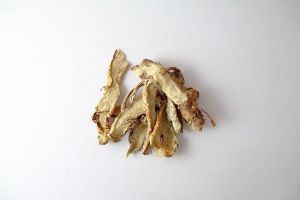
From the perspective of traditional Chinese medicine, the roots and rhizomes of Japanese knotweed can be used as medicine. They are bitter in taste and cold in nature, and mainly have effects such as promoting diuresis to reduce jaundice, clearing heat and detoxifying, dissipating blood stasis and relieving pain, and relieving cough and reducing phlegm. In the past, they were often used for supportive care for problems such as damp-heat jaundice, burns from water and fire, traumatic injuries, and carbuncles, swellings, sores, and toxins.
Besides medicinal use, Japanese knotweed also has some household uses. Its young stems have a sour taste and a crisp, tender texture, and in some mountainous areas they are treated as a wild vegetable, blanched in water and then served cold or stir-fried. The plant grows rapidly and has strong adaptability, and in some places it is also grown as an ornamental or groundcover plant. However, because of its strong ability to reproduce and spread, its range needs to be properly controlled during cultivation to prevent it from crowding out the growing space of other crops.
There are also some precautions when using Japanese knotweed. It is cold in nature, so people with deficiency-cold of the spleen and stomach should not use much of it, and pregnant women should consult a doctor before use. Whether taken internally or applied externally, it is recommended to use it under the guidance of a traditional Chinese medicine practitioner or professional according to one's own constitution, and to avoid long-term or excessive use, so that its value can be brought into play more safely.
Related Reading