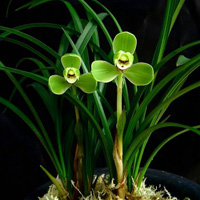
Phalaenopsis orchids look like butterflies; master the care methods and the flowers last longer
Phalaenopsis orchids are the collective name for plants in the genus Phalaenopsis of the orchid family (Orchidaceae), named because their blooms resemble dancing butterflies. They originate from tropical and subtropical regions and are epiphytic orchids, in nature mostly growing attached to tree trunks or rocks. Phalaenopsis orchids have graceful flower forms and rich colors, commonly including pure white, pink, purplish red, yellow, and bi-colored varieties with markings, and they have a relatively long ornamental period, making them deeply loved by flower enthusiasts.
Most Phalaenopsis orchids commonly found on the market today are horticultural varieties bred through artificial hybridization, and by flower type they can be roughly divided into large-flowered, small-flowered, and multi-flowered types. Large-flowered varieties have huge blooms and an elegant, stately air, while small-flowered varieties are delicate and dainty, and spotted-flower and striped-flower varieties show even richer color variation. Different varieties differ in plant form, flower stalk length, and flower count, so you can choose according to the space available and personal preference.
For home care of Phalaenopsis orchids, the key is to create a warm, humid environment with good ventilation. They like bright indirect light and should be protected from direct strong sunlight; in winter, take care to protect them from the cold, as excessively low temperatures easily cause cold damage. The growing medium is generally a loose, breathable material such as sphagnum moss or bark. Do not water too frequently; wait until the surface of the medium is on the dry side before replenishing water thoroughly, to prevent root rot. During the growing season, a small amount of dilute orchid-specific fertilizer can be applied, and after flowering, promptly cut off the spent flower stalks to help the plant accumulate nutrients.
Phalaenopsis orchids are often used as Lunar New Year flowers and as gifts, placed in living rooms, studies, and other spots, carrying the lovely meaning of "happiness flying to you." In daily care, if leaves become soft or roots turn black, it is mostly related to overwatering or poor ventilation, and adjustments should be made promptly. As long as temperature, light, water, and fertilizer are managed properly, Phalaenopsis orchids may bloom again the following year, making them a very suitable indoor ornamental flower for the home.