The Meanings of Flowers Explained: A Guide to the Symbolism of Common Flowers
The meanings of flowers refer to the symbolic significance that people have attached to flowers over long periods of daily life and cultural exchange, often called the language of flowers. Because different flowers differ in appearance, color, fragrance and growth habits, the emotions they carry also differ: some represent festivity and good fortune, some express longing, and others symbolize pure love.
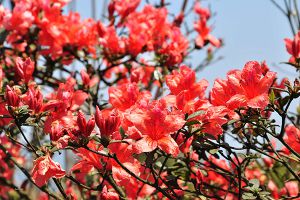
Each common flower has its own finer points. The peony, with its grand and elegant blooms, has long been regarded as a symbol of wealth and prosperity; the azalea, with its vivid colors, is often used to express sincere feelings; the gardenia, white and refined, signifies pure love and long-lasting devotion. Foliage plants have their own flower meanings too: the Swiss cheese plant (Monstera deliciosa), with its distinctive leaf shape and evergreen foliage, is often given the wish of good health and long life.
Understanding the meanings of flowers is very practical in daily life. When choosing New Year flowers for the festivals, people tend to prefer varieties with auspicious meanings to add a festive atmosphere at home; when visiting relatives and friends, congratulating someone on a move, or giving flowers to a loved one, choosing the right flowers makes the sentiment more fitting. In folk tradition, a jade plant (Crassula ovata) blooming is often seen as a good omen, and many growers happily wait for that moment.
It should be noted that the same flower may carry different meanings in different regions and cultures, and different colors and numbers of flowers also change the message conveyed. Before giving flowers, it is worth considering the recipient, the occasion and local customs together, so that the meaning of the flowers truly conveys a beautiful blessing.
Related Reading