An Introduction to the Benefits, Effects and Nutritional Value of Wampee
Wampee is the fruit of plants in the genus Clausena of the family Rutaceae, and is mainly produced in southern China, such as Guangdong, Guangxi, Fujian and Hainan. The fruit is small; when ripe, the skin is yellow or yellowish-brown, and the flesh is sweet and sour with a distinctive fresh fragrance, making it a popular seasonal fruit in summer.
From the perspective of traditional food therapy, wampee is often considered to have the effect of stimulating the appetite and aiding digestion. The flesh contains organic acids and sugars; eating a moderate amount before a meal can help increase appetite, while eating it after a meal can relieve a greasy feeling. At the same time, wampee is rich in water and refreshing in taste, making it suitable for quenching thirst and promoting the production of body fluids in hot weather.
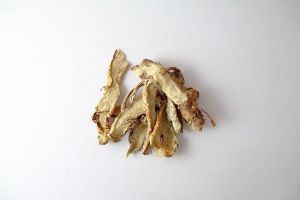
In folk usage, the use of wampee is not limited to the flesh; the seeds, peel and leaves are also often used in some regions to make decoctions or added to meals, mostly for dealing with minor everyday complaints such as cough with excessive phlegm and indigestion. However, these uses mostly come from folk experience; if discomfort is relatively obvious, medical attention should still be sought promptly, and one should not rely solely on food therapy.
Besides being eaten fresh, wampee can also be processed into preserved fruit, jam, fruit wine or salted products, each with its own distinctive flavor. When eating it, moderation is necessary; the flesh is rather sour, so people with excessive stomach acid or sensitive stomachs should not eat it in large amounts on an empty stomach. When selecting, priority can be given to those with smooth skin, even color and plump fruit, and for short-term storage it is best to keep them in a cool, well-ventilated place.
Related Reading