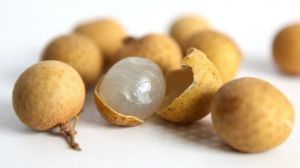
The difference between longan and longan, in fact, is simply the difference between fresh fruit and dried goods
Longan and guiyuan are actually the same fruit, just with different names and forms. Longan is the fresh fruit produced by the evergreen longan tree of the Sapindaceae family, and it is widely grown in the warm regions of the south; the fruit product obtained after drying or roasting fresh longan is customarily called guiyuan, also known as dried longan. Simply put, longan is the name for the fresh fruit, while guiyuan more often refers to the dried product.
The two differ fairly noticeably in appearance and taste. Fresh longan has a yellowish-brown, relatively thin skin, and the flesh is crystal clear and semi-transparent, full of juice, and refreshingly sweet; dried guiyuan has a rough, somewhat brittle shell, and the flesh shrinks into a dark brown, firm texture with a richer sweetness. The shelled and pitted product made into guiyuan flesh is what is commonly called longan flesh.
In terms of how they are eaten and used, the two each have their own emphasis. Fresh longan is suitable for eating directly as a fruit; it is juicy and sweet but does not keep well; dried guiyuan keeps well and transports easily, and is often used to make congee, soup, or infused water, such as common home preparations like guiyuan and red date tea or guiyuan and lotus seed soup. Folk tradition also often treats guiyuan as a nourishing ingredient, stewing it together with red dates, lotus seeds, and the like.
When selecting and storing them, a few points can be noted. When buying fresh longan, choose those with intact skin, plump fruit, and a heavy feel in the hand; after bringing them home, it is best to refrigerate them and eat them as soon as possible; when choosing dried guiyuan, check whether the shell color is natural and whether the flesh is thick and not sticky to the touch, and for everyday storage simply keep them sealed in a cool, dry place to prevent moisture. In addition, the leftover shells and pits need not be thrown away in a hurry; after drying and processing, they can also be used as flower fertilizer.