Guava can be eaten in many ways, and it is excellent both fresh and juiced
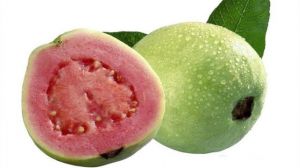
Guava is a common fruit in tropical regions. Its flesh can be white or red, with a crisp, tender texture and a light, refreshing fragrance. It can be eaten in flexible and varied ways, either fresh or processed into all kinds of flavored foods.
The simplest way to eat it is to wash it and bite straight into it. Both the skin and the core can be eaten, and even the seeds can be chewed up. Those worried about a slightly astringent taste can peel it before eating, or cut it into small pieces and sprinkle on a little sour plum powder or fine salt to bring out the flavor even more. After chilling it in the refrigerator and taking it out to eat, the taste is sweet, crisp and refreshing.
Besides eating it fresh, guava is also good for juicing. It can be blended into juice on its own, or paired with milk, honey or apples and other fruits to make a mixed drink. Cut into pieces and mixed into yogurt or fruit salad, it adds a sweet, fresh taste. In addition, it can be made into jam, candied fruit or dried fruit, and dried guava leaves are also often used to make tea.
When eating it, it is best to choose fruit of moderate ripeness. Fruit that is too firm has a more astringent flesh, while fruit that is too soft does not keep well. Guava has many seeds, so people with weaker digestion can spit out the seeds or eat only a small amount. It is relatively rich in dietary fiber, so it is best not to eat too much at one time, and intake should be reduced appropriately during periods of stomach upset.