Characteristics, Care Methods and Main Uses of Finger Citron Flowers
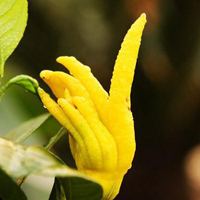
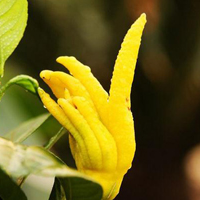
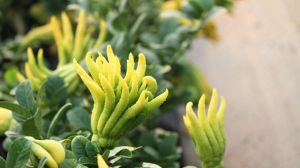
Finger citron flowers are the flowers produced by the finger citron, a plant of the genus Citrus in the family Rutaceae. The finger citron is an evergreen small tree or shrub, named for its fruit whose tip splits open in a shape resembling fingers, and it is cultivated in many provinces of southern China. Its flowering period is fairly long, and it can bloom several times a year, with spring and early summer being the most concentrated periods.
The flowers of the finger citron are not large, mostly white with edges often tinged with light purple, and their fragrance is elegant yet rich. Besides being ornamental, the harvested fresh flowers, after being dried in the sun, are often used together with finger citron fruit in traditional Chinese medicine, where they are regarded as having the effect of regulating qi and harmonizing the stomach, and many people also use them to steep in water as a tea or to scent flower tea.
For caring for finger citron flowers at home, the key is to provide a warm, humid environment with plenty of sunlight. The soil should be a loose, fertile, well-drained, slightly acidic sandy soil, and watering should follow the principle of watering when dry and letting it dry between waterings, avoiding long-term waterlogging that causes root rot. During the peak growing season, additional fertilizer can be applied as appropriate, and after flowering, spent flowers and overly dense branches should be pruned promptly to help with ventilation and light penetration and to encourage another round of blooming, while in winter attention should be paid to cold protection and keeping warm.
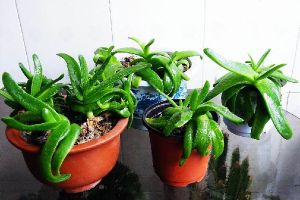
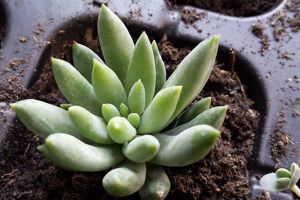
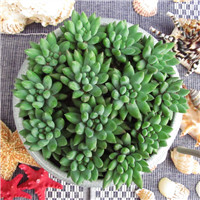
It should be noted that finger citron flowers are not the same type of plant as the similarly named Thousand Buddha fingers (Sedum morganianum) and Buddha's hand cactus. Thousand Buddha fingers and Buddha's hand cactus belong to the Crassulaceae succulent plants, and their ornamental value lies mainly in their thick, fleshy leaves, whereas finger citron flowers come from the woody citrus plant finger citron of the Rutaceae family; the two differ clearly in morphology and care methods, so do not confuse them when buying or caring for them.