Growing African Impatiens Is Not Hard: Do These Few Things and It Will Bloom Continuously
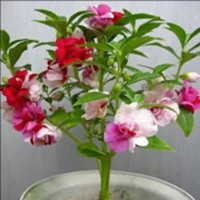
African Impatiens (Impatiens walleriana) is a perennial herbaceous plant in the family Balsaminaceae, genus Impatiens, native to eastern Africa, and in various places it is also commonly called Busy Lizzie or Sultan's Impatiens. Its plant form is low and compact, its stems and branches are fleshy and juicy, and its leaves are emerald green and glossy. It is often used for flowerbed arrangements and is also very suitable for pot cultivation on balconies and windowsills.
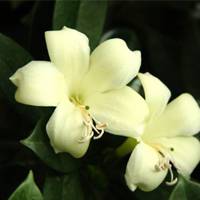
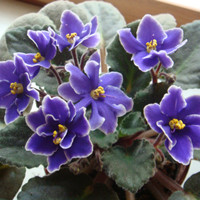
Its most prominent features are a long flowering period and rich flower colors. As long as the temperature is suitable, it can bloom successively almost all year round. Flower colors include red, pink, orange, white, purple and many other color lines, as well as bicolor varieties with markings; when planted in masses, the ornamental effect is very outstanding. In addition, it tolerates partial shade and is also very suitable for placement in brightly lit indoor spaces.
For caring for African Impatiens, the key is warmth, moisture and scattered light. It fears scorching sun exposure, so in summer it should be properly shaded; it is also not cold-tolerant, so in winter it needs to be moved indoors to a warm place to overwinter. During the growth period, keep the potting soil moist. When the air is dry, spray water around the plant to increase humidity, and at the same time pay attention to ventilation to avoid stuffy, hot and humid conditions that cause disease. Flowering plants consume a lot of nutrients, so you can apply thin fertilizer frequently; supplementing with phosphorus and potassium fertilizer before and after the flowering period can make it bloom more and more vividly.
In daily care, curled and softened leaves are a relatively common problem, mostly related to lack of water, overly strong light or poor ventilation. After adjusting the position and replenishing water in time, it can generally recover. Its branches root very easily from cuttings; cut healthy branches and insert them into a moist sandy medium, keep them warm and humid, and they will soon take root. This is the simplest method for propagating new plants.