The effects of Lophatherum gracile are mainly seen in clearing heat and relieving restlessness, and in promoting urination.
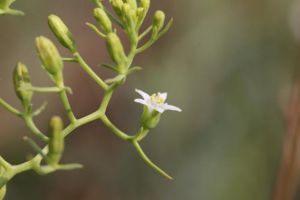
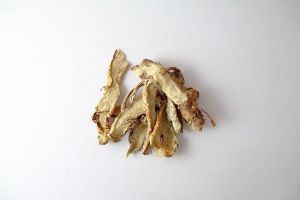
Lophatherum gracile is a perennial herbaceous plant of the genus Lophatherum in the grass family. Although its name contains "bamboo," it is not a true bamboo; it is named that way only because its leaf shape resembles bamboo leaves. It mostly grows in shady, damp places under forest canopies and along hillside roadsides, and is relatively common in the Yangtze River basin and areas to the south. The medicinal part is mainly the dried stems and leaves.
From the perspective of traditional Chinese medicine, Lophatherum gracile is sweet and bland in taste and tends toward cold in nature, and its main effects are clearing heat, relieving restlessness, promoting urination, and treating painful urinary dysfunction. In summer, when discomforts such as thirst, irritability, mouth and tongue sores, or scanty dark urine occur, it is often used, and it is also often combined with other heat-clearing medicinal materials. Because its flavor is mild and slightly sweet, people also like to boil it in water as a tea substitute, using it as an everyday drink to relieve summer heat.
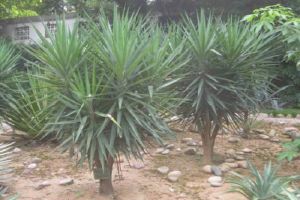
Besides its medicinal use, Lophatherum gracile also has some ornamental value. It has a low plant form and verdant leaves, is relatively tolerant of shade and dampness, and is suitable for planting as a groundcover under courtyard tree shade, beside streams, or at forest edges. For care, simply keep the soil moist and avoid strong direct sunlight; it is not troublesome to manage.
It should be noted that Lophatherum gracile is cold in nature, so people with weak spleen and stomach or a fragile constitution should not use it in large amounts, and pregnant women should consult a doctor before use. When used as medicine, it is best to do so under the guidance of a physician or pharmacist, and to avoid taking it on one's own in large doses over the long term. It can only serve as auxiliary conditioning and cannot replace proper treatment.
Related Reading