Winter Melon: Benefits and Nutritional Value Explained, a Cooling Summer Staple That Clears Heat and Moves Water
Winter melon is the fruit of an annual vining herbaceous plant in the genus Benincasa of the gourd family (Cucurbitaceae), named for the layer of white waxy bloom that often coats its surface once mature. It is large, thick-skinned and keeps well, and full of water, making it a common gourd vegetable in summer and autumn across both northern and southern China; besides the flesh, the rind and the seeds each have their own uses.
Nutritionally, winter melon contains vitamin C, potassium and dietary fiber. It is high in water and low in fat and sugar, so it is not calorie-dense and has a mild flavor. For people trying to control their weight or whose daily diet tends to be greasy, replacing some high-calorie ingredients with winter melon is a lower-burden choice.
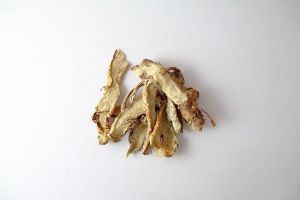
In traditional food-therapy thinking, winter melon is cooling in nature with a sweet, bland taste, and is often credited with clearing heat and relieving summer heat, and with promoting urination and reducing swelling; on a hot day, a bowl of winter melon soup is refreshing and cuts through greasiness. In traditional Chinese medicine, the rind and the seeds are also used separately as medicine: the rind is more oriented toward promoting urination and reducing swelling, while the seeds are said to clear the lungs and resolve phlegm, and keeping the rind in the pot when making soup at home is also a common practice.
As for eating, winter melon can be prepared in many ways. Soup is the most classic, such as winter melon and pork rib soup or winter melon, Job's tears and old duck soup; it can also be braised, stir-fried plain, or made into a winter melon cup or winter melon tea. Note that winter melon is rather cooling in nature, so people with a weak, cold spleen and stomach who are prone to diarrhea should not eat too much of it; cooking it with ginger slices or meat can help offset some of the coldness.
When selecting, choose winter melons with an even shape, intact white bloom on the skin and no damaged or softened, collapsing spots; once cut open, those with white, firm flesh and plump seeds are better quality. A whole melon keeps for a long time in a cool, ventilated place, while a cut winter melon should be wrapped well in plastic wrap, refrigerated, and eaten up as soon as possible.
Related Reading