An Introduction to the Characteristics, Habits and Home Care Methods of the Corkscrew Plant
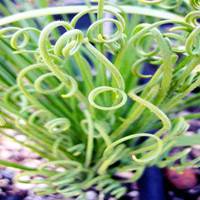
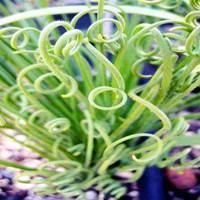
The corkscrew plant (Albuca spiralis) is a bulbous succulent native to southern Africa. It gets its name from its leaves, which naturally twist and coil in a shape resembling a spring, and it is also sometimes called the spiral grass. The plant is small, with slender, curling leaves, and is often grown as a distinctive little ornamental potted plant.
The corkscrew plant's biggest draw is its form. How much the leaves curl is closely tied to light: the more sunlight it gets, the more pronounced the spiral tends to be, while too little light makes the leaves loose and stretched out. In spring it also sends up a flower stalk, bearing small yellow-green or white flowers, and some varieties have a faint fragrance.
In terms of habits, the corkscrew plant likes a cool, dry environment. It generally grows through autumn, winter and spring, and goes dormant when temperatures rise in summer. During the growing season it needs plenty of sun, and watering should follow the rule of watering thoroughly only after the soil has dried out; during dormancy, watering should be reduced or even stopped entirely, and the plant kept in a cool, airy spot to prevent the bulb from rotting.
For cultivation, choose a loose, breathable soil with good drainage, and mix in a suitable amount of gritty material to improve drainage. In day-to-day care, if the leaves fail to curl, it is usually because of insufficient light; if root rot or mushy, water-soaked tissue appears, it is often linked to overwatering during dormancy, and this can be effectively avoided by paying attention to water control and ventilation.
Because of its unusual form and its fairly easy care, the corkscrew plant is well suited to spots such as windowsills and desks as a small houseplant for viewing, and it is quite popular with enthusiasts who like curious plants.