The Benefits and Effects of Cangzhu (Atractylodes Rhizome): Getting to Know This Dampness-Drying, Spleen-Strengthening Chinese Medicinal Herb
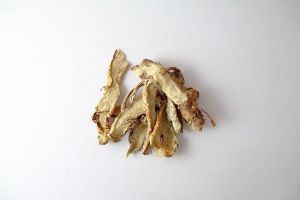
Cangzhu is the dried rhizome of the Asteraceae plants Atractylodes lancea or Atractylodes chinensis, and it is a commonly used medicinal herb in traditional Chinese medicine. It is pungent and bitter in taste, warm in nature, and enters the spleen, stomach and liver meridians; it is produced in several provinces across China. Traditional experience holds that Cangzhu with plump, solid rhizomes, clearly visible oil chambers in the cross-section, and a rich aroma is of better quality.
The main effects of Cangzhu are concentrated in three areas: drying dampness and strengthening the spleen, dispelling wind and dispersing cold, and improving eyesight. Traditional Chinese medicine holds that its pungent aroma and bitter dryness make it good at resolving damp pathogens, and it is often used for abdominal distension, poor appetite, nausea and diarrhea caused by dampness obstructing the middle jiao. At the same time, because it is warm in nature, it can also be used to regulate wind-cold colds and rheumatic arthralgia, and it has traditionally been applied for night blindness, blurred vision and similar conditions.
In practical use, Cangzhu is often combined with herbs such as Houpo (magnolia bark) and Chenpi (dried tangerine peel) to enhance its dampness-drying and spleen-moving effects, and it may also be used together with wind-dispelling and dampness-removing medicines. Besides being decocted for oral use, there is also a traditional folk practice of burning Cangzhu as incense to ward off foul influences, and in some regions it is used in small amounts in medicinal diets; however, such uses are generally recommended only after understanding one's own constitution or consulting a professional.
It should be noted that Cangzhu is warm and drying in nature, so people with yin deficiency and internal heat, or with qi deficiency and excessive sweating, should use it with caution. In daily use, it should not be taken in excess or over the long term, so as not to consume and damage body fluids; the specific dosage and method of use are best followed according to medical advice. Only with proper syndrome differentiation and moderate use can this medicinal herb deliver its due value.
Related Reading