The benefits of Banlangen (Isatis root) are mainly reflected in clearing heat and detoxifying, cooling the blood and soothing the throat.
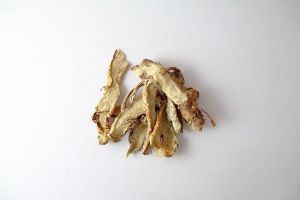
Banlangen is the dried root of Isatis indigotica, a plant in the Brassicaceae family, and is a traditional Chinese medicinal herb with a long history of use in China. It is bitter in taste and cold in nature, and is cultivated in suitable areas such as North China and East China. It is widely known because it often appears in household medicine cabinets.
From the perspective of traditional Chinese medicine, the core benefits of Banlangen are clearing heat and detoxifying, cooling the blood and soothing the throat. It is often used for fever and sore, swollen throat caused by wind-heat colds, as well as for fever in warm diseases and similar conditions. It is worth noting that Banlangen and Daqingye (Isatis leaf) come from the same plant: Daqingye uses the leaf, while Banlangen uses the root. They share the same source and have similar benefits.
In practical use, the most common form of Banlangen is granules. It can also be taken as a decoction, or used in combination with other heat-clearing and detoxifying medicinal materials. It should be noted that it is more suited to colds of the wind-heat type. If it is a wind-cold cold with obvious aversion to cold and clear runny nose, using Banlangen is often not appropriate.
There are also some common questions to understand when taking Banlangen. Because it is cold in nature, people with weak spleen and stomach or who are prone to diarrhea should use it with caution, and it should not be taken long-term or in large amounts. The elderly, children, pregnant women, and those with chronic diseases are advised to use it under a doctor's guidance. In addition, there is also Nanbanlangen (Baphicacanthus root) on the market, which comes from the Acanthaceae plant Baphicacanthus cusia. The two have similar names and similar benefits, but their plant sources are not the same, so buyers can pay attention to distinguishing them when purchasing.
Related Reading