An Introduction to the Characteristics, Varieties and Care Methods of Ornamental Peach
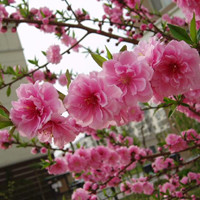
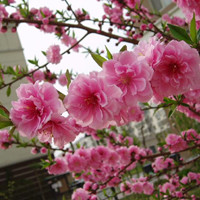
Ornamental peach (Prunus persica, ornamental peach) is a deciduous small tree of the genus Prunus in the rose family (Rosaceae), bred from the peach tree and grown mainly for its flowers; in some places it is also called flowering peach. Its crown is open and spreading, its branches are fairly smooth, and it usually blooms in spring, often flowering before the leaves emerge; when in full bloom the whole tree is covered in blossoms, making a very striking display. Flower colors include white, pink and red, and flower forms are divided into single and double.
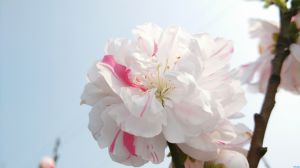
Commonly cultivated varieties include red ornamental peach, white ornamental peach, Sajin ornamental peach, weeping ornamental peach and purple-leaf ornamental peach. Among them, Sajin ornamental peach is rather special: a single plant can often bear flowers of different colors, or the petals may be streaked with markings; the weeping ornamental peach has naturally drooping branches and a graceful form, making it very suitable for courtyard and park landscaping.
In traditional thinking, ornamental peach is often regarded as a symbol of spring, carrying the meaning of beauty and vitality, and is therefore much loved for landscaping and courtyard planting. It can be planted as a specimen or in rows along roadsides and lawns, combined with other early-spring flowering trees, or shaped by pruning into a bonsai to place on balconies and in courtyards.
As for care, ornamental peach likes a sunny, well-ventilated environment; it is drought-tolerant and afraid of waterlogging, and is best planted in well-drained sandy loam. Water by the principle of letting the soil dry between waterings, and avoid waterlogging that rots the roots; after flowering, promptly cut out dead, diseased and overly dense branches, which favors flowering the following year. Do not fertilize too much during the growing season, especially with nitrogen, since excess nitrogen easily causes excessive leafy growth and fewer flowers. Also watch for problems such as aphids, red spider mites and gummosis; keep the environment well ventilated and control them early, so the plant grows vigorously and blooms every year.