An Introduction to the Characteristics and Care of White Wood Sorrel
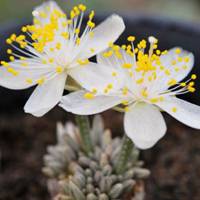
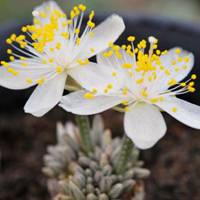
White wood sorrel is a perennial herbaceous plant in the wood sorrel family, Oxalidaceae, and the genus Oxalis, named for its small white flowers. Its leaves grow from the base and usually consist of three inverted heart-shaped leaflets, with slender petioles, giving the plant a delicate, compact form. The flowers are borne singly at the tips of slender pedicels, with five petals, and the white petals often bear pale-colored veins, creating an overall fresh and elegant look.
This plant prefers cool, moist, semi-shaded environments and is often found under forests, at forest edges, in thickets, or in damp, shaded spots on hillsides; it dislikes direct strong sunlight and waterlogging. Its flowers and leaves are quite sensitive to changes in light, opening during the day or when light is plentiful, and closing at night or on cloudy days, which makes it quite interesting to observe. The fruit is a capsule, and when ripe the pericarp can fling the seeds out, which is also one of the common reproductive methods of plants in the genus Oxalis.
In horticultural use, white wood sorrel is low-growing and well suited for woodland ground cover, rock gardens, or growing as a potted ornamental. When caring for it, choose loose, fertile, well-draining soil and place it in a spot with plenty of diffused light; in summer, take care to provide shade and cooling, and water to keep the soil slightly moist but not waterlogged. During the growing period, apply light fertilizer frequently, and supplement nutrients appropriately before and after the flowering period to encourage abundant blooms.
It should be noted that the leaves of white wood sorrel contain oxalic acid and have a sour taste, so they should not be eaten in large quantities, lest it affect your health. In addition, many plants have "white flower" in their names; this plant is not the same as plants in other families and genera such as Crassulaceae, so when buying or discussing them, take care to distinguish between them and avoid confusion.