An Introduction to the Effects, Benefits and Main Application Value of Angelica Dahurica
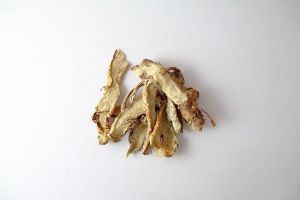
Angelica dahurica is the dried root of the umbellifer (Apiaceae) plant Angelica dahurica or Hangzhou angelica (Angelica dahurica var. formosana), a commonly used Chinese medicinal herb with a long history of application, also often called fragrant angelica or Sichuan angelica in folk usage. Its root is mostly long and conical, grayish brown or yellowish brown on the surface, with a rich, strong aroma, and the cross-section is white or grayish white and fairly starchy; those with a pure, intense fragrance are considered the finest.
From the perspective of traditional Chinese medicine, angelica dahurica is warm in nature and pungent in taste, entering the Stomach, Large Intestine and Lung meridians, and is often summarised as having effects such as dispelling wind and dispersing cold, unblocking the orifices and relieving pain, and reducing swelling and discharging pus. In clinical practice it is mostly used in combination for conditions such as headache, nasal congestion, toothache and swollen, painful sores and ulcers. However, Chinese medicinal herbs rely on syndrome differentiation and treatment, so how exactly to take it should be guided by a professional physician, and it should not be used blindly on one's own.
Besides being used as medicine, angelica dahurica is also quite widely used in daily life. It is one of the common spices in compound seasonings such as braising liquid and five-spice powder, able to remove fishy odours and enhance fragrance, and is an ingredient many families use when stewing meat or making braised dishes. In addition, angelica dahurica is also fairly common in traditional beauty formulas; some ancient washing and care recipes and facial fat formulas use it, and today some skincare products use its extract as a raw material.
It should be noted that angelica dahurica is pungent and warm in nature, so those with yin deficiency and blood heat should generally use it with caution, and the dosage also matters. When purchasing, those with thick, sturdy roots, plenty of starch and a strong aroma are best; after buying, it should be stored in a cool, dry place to avoid dampness and loss of oil, which would affect its quality and effectiveness.
Related Reading