Characteristics, Alternative Names and Home Care Methods of the Brazil Wood Plant
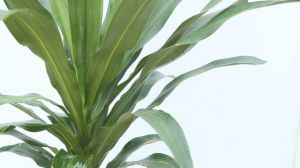
The Brazil wood plant is an evergreen foliage plant of the genus Dracaena, with the scientific name Dracaena fragrans. It got its name because it was introduced and sold under the name "Brazil" in the early years, though it actually originates from the tropical regions of Africa. On the market it also has alternative names such as Brazil iron and fragrant dragon tree. Its stem is thick and upright, and its long, sword-shaped leaves cluster at the top of the stem, making it a common large indoor foliage plant.
Besides the original species with all-green leaves, common cultivated varieties include the golden-heart Brazil wood and the golden-edge Brazil wood, whose leaves have yellow-white stripes in the center or along the edges, giving them greater ornamental appeal. On the market, thick stems are often cut into wooden stumps of different heights for planting; a single plant or a combination of tall and short ones both work well, and they are mostly used in living rooms, offices and other relatively large spaces.
As for care, the Brazil wood likes warmth, moisture and bright indirect light. In summer, avoid direct exposure to harsh sun, which can make the leaf color fade and turn yellow. Water by letting the soil dry out between waterings, keeping the potting soil moist but not waterlogged. In winter, keep it warm, as too low a room temperature can easily cause cold damage. During the growing season, apply a small amount of light fertilizer; when the air is dry, spray water on the leaves, and the leaf color will become more glossy.
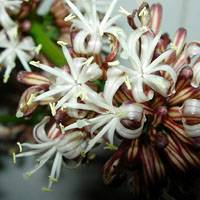
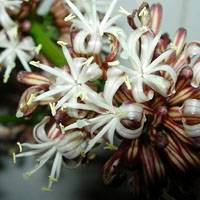
Many people think the Brazil wood only grows leaves and never blooms, but in fact, after years of care and under suitable conditions, it can also put out an inflorescence and produce small, fragrant flowers, though this is relatively rare in a home environment. It resembles the Yemen iron plant in appearance and is easily confused with it, but they can be distinguished by leaf stripes and planting form. If the leaves turn yellow or the leaf tips dry out, it is mostly related to overwatering, insufficient light or low temperatures; after adjusting the environment in time, it will generally recover gradually.