An Introduction to the Characteristics, Alternative Names, and Planting and Care Methods of White Sandalwood
White sandalwood is a fairly common plant name, but it does not refer to the same thing in every context. When gardening enthusiasts say white sandalwood, they usually mean the white sandalwood cactus of the Cactaceae family, also called the peanut cactus, named for its stem segments that resemble fingers or peanuts. In forestry and landscaping, however, white sandalwood usually refers to a deciduous shrub or small tree in the Symplocaceae family, with alternative names such as shan hulu and suimi zi shu.
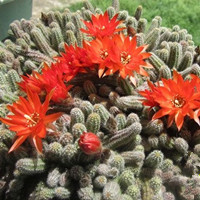
Let us start with the cactus type of white sandalwood. It is native to the Argentina region of South America. Its stems are cylindrical and finger-like, and it readily produces offsets from the base, growing in dense clumps with strong ornamental appeal. In late spring and early summer each year, orange-red trumpet-shaped flowers open along the sides of the plant, blooming profusely. This type of white sandalwood likes a sunny, well-ventilated environment, is drought-tolerant and afraid of waterlogging, and enters a semi-dormant state during the high summer heat, when it needs some shading and controlled watering. In winter, keep the potting soil dry and let the plant go dormant at low temperatures, and the flowering quality will be better the following year.
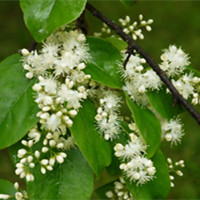
Now for the white sandalwood tree of the Symplocaceae family. Its bark is often grayish-white, its leaves are papery, and in early summer it produces strings of small white flowers with a delicate fragrance; in autumn it bears small blue fruits, making it a native tree species valued both for its flowers and its fruit. The seeds of the white sandalwood tree contain oil, and there is a folk tradition of pressing it for oil. It is also highly adaptable and is often used in courtyard landscaping and for soil and water conservation on barren slopes.
Whichever type of white sandalwood it is, growing it is not particularly difficult. For the cactus type, be sure to use a well-drained sandy soil, err on the side of dryness rather than moisture, and avoid waterlogging that rots the roots; propagation is simple too, as offsets broken off and left to dry until the wound calluses will root once planted as cuttings. For the white sandalwood tree, choose a spot with ample sunlight and deep soil; once established, it needs only rough, minimal care. Whether you want to keep a pot or plant a tree at home, white sandalwood is an easy choice to start with.