Key Cultivation Techniques and Field Management Methods for White Peony (Baishao)
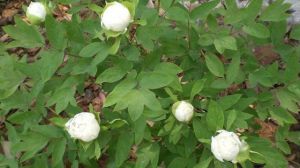
White peony (Baishao, Paeonia lactiflora) is a perennial herbaceous plant of the genus Paeonia in the family Ranunculaceae, and its dried root is a commonly used traditional Chinese medicinal material. It is mainly produced in Zhejiang, Anhui, Sichuan and other places. White peony is generally propagated mainly by buds; seeds can also be used for raising seedlings, but seed propagation has a relatively long growth cycle, so division is mostly used for planting in production.
In terms of site selection, white peony prefers a sunny environment with good drainage, and it is best to choose deep, loose and fertile sandy loam for planting. Heavy, clayey and waterlogged plots are prone to root rot and are not suitable for planting. When preparing the land, the soil should be deeply plowed and sufficient decomposed farmyard manure should be applied as a base fertilizer to create good conditions for root growth.
For field management, attention should be paid to intertillage and weeding after planting to keep the soil loose, and timely drainage should be carried out during the rainy season to prevent waterlogging. Topdressing can be carried out in stages according to the growth stage; in the early stage, nitrogen fertilizer is mainly used to promote plant growth, while in the later stage, appropriately increasing phosphorus and potassium fertilizer helps the roots become plump. Removing flower buds promptly at the budding stage can reduce nutrient consumption and promote root expansion.
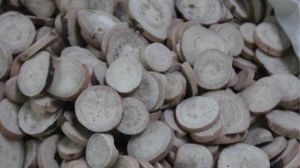
White peony has a relatively long growth cycle and generally requires several years of cultivation before harvesting, with the roots mostly dug up in summer and autumn. After harvesting, the roots need to be washed, peeled, boiled and sun-dried before they can become commercial white peony. During cultivation, attention should also be paid to the control of leaf spot, root rot and underground pests, ensuring yield and quality through scientific management.
Related Reading