An Introduction to the Characteristics and Care of White Rain Lily
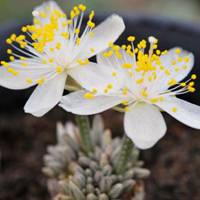
The white rain lily (Zephyranthes candida) is a perennial herbaceous plant in the amaryllis family (Amaryllidaceae), genus Zephyranthes, also known as autumn zephyr lily or fairy lily. It gets its name from its long, slender, emerald-green leaves that resemble small scallions. The plant is low-growing and neat in form, with pure white funnel-shaped flowers typically made up of six tepals. Its blooming period is mostly concentrated in summer and autumn, often opening in masses after rain, giving a fresh and elegant ornamental display.
The white rain lily is native to South America. It prefers a warm, humid environment with plenty of sunlight, and can also tolerate partial shade. It is not demanding about soil and does best in loose, fertile, well-drained sandy loam. It has a certain degree of drought tolerance, but dislikes prolonged waterlogging, as otherwise its underground bulbs are prone to rot. Its cold hardiness is limited; in cold northern regions it needs to be covered for protection in winter, or the bulbs can be dug up and stored indoors to overwinter.
In terms of use, the white rain lily has a neat plant form and a fairly long blooming period, and is often used as garden ground cover or as a border material for flower beds. When planted in masses, its small white flowers dotting among the green leaves create a particularly striking ornamental effect. It is also suitable for container growing, placed on balconies, windowsills or in courtyards, and is relatively easy to manage. It is mostly propagated by dividing the bulbs, and can also be grown from seed.
It should be noted that the entire white rain lily plant contains alkaloids, and accidental ingestion may cause discomfort, so when caring for it at home, children and pets should be kept from chewing on it. In addition, it resembles the pink-flowered Zephyranthes carinata in appearance, and the two can be distinguished by flower color and leaves: Zephyranthes carinata has flat leaves like chive leaves, while the white rain lily has slender, rounded leaves like scallion leaves. Once these characteristics are grasped, they are very easy to tell apart.