What to Do If a String of Buttons (Crassula perforata) Has Root Rot? Here's the Correct Way to Handle It
Introduction: Analysis of root rot causes: Soil that is too moist, or the presence of waterlogging, is the problem that directly causes root rot. How to handle it: If root rot is found, the plant needs to be taken out of the soil, and there must be no soil left on the roots, so be sure to clean them thoroughly. Then place it in a semi-shaded and relatively cool spot, and after about 1 day to 2 days it can be replanted
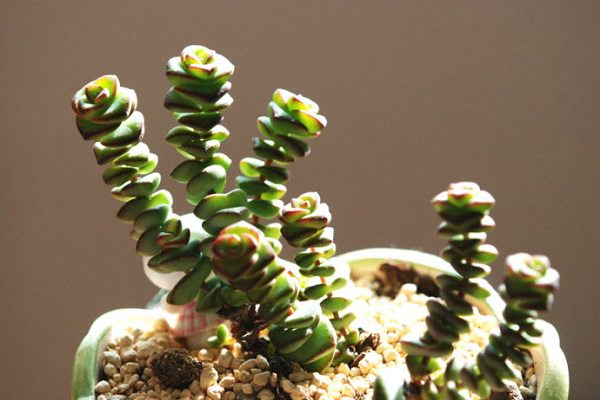
Root rot cause analysis:
Soil that is too moist, or the presence of waterlogging, is the problem that directly causes root rot.
How to handle it:
If root rot is found, the plant needs to be taken out of the soil, and there must be no soil left on the roots, so be sure to clean them thoroughly. Then place it in a semi-shaded and relatively cool spot, and after about 1 day to 2 days it can be replanted, but the soil must be replaced with new soil, and all the previous potting soil should be thrown away. After planting is complete, do not water too frequently in daily care; you can observe the soil condition, and only water when the soil is 70% dry. Never water by rigid routine; it should be done according to its actual condition.
For more serious cases of root rot, likewise first take the plant out of the soil, clean off the soil stuck to the roots, then soak the rotted root area in a specialized solution for 5 minutes to 10 minutes, then rinse it clean, place it in a semi-shaded and relatively cool spot to air dry, and only plant it after the plant's roots have completely dried.
The string of buttons likes slightly moist soil and is very afraid of waterlogging, especially in summer, when the temperature is too high and the air is stuffy and hot. Be sure to place the string of buttons in a spot with good ventilation. At this time it has nearly stopped growing, so watering should be reduced and no fertilizer should be applied, otherwise root rot easily occurs; when fertilizing in daily care, also be sure to check the soil condition first. Only in this way can you prevent it in advance and guard against it early.
For more professional agricultural science and technology information, please scan the QR code to follow WeChat: NongXunNET

Please indicate the source when reprinting.