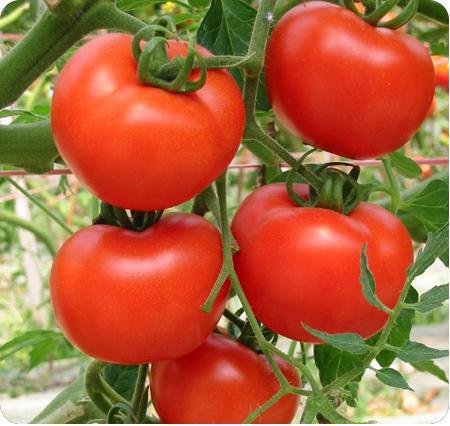
How can tomato flavor be improved? Pan-genome research recovers the original flavor
Tomatoes are a vegetable available all year round, and we often eat this vegetable too. Have you noticed thatthe taste of tomatoes is very different from the tomato taste of twenty years ago? Today's tomatoes taste bland, and their sweetness and acidity are not very pronounced, which is also related to current tomato cultivation methods to a certain extent. Would you like to taste the original tomato flavor?
Many people have found that tomatoes bought from stores do not seem to taste as they remember, and seem to have lost their original flavor. Through pan-genome research, it may be possible to recover the flavor tomatoes originally had and clarify the reasons why the flavor changed. A pan-genome refers to the total collection of all genomes within the same species, including its strains, subspecies and so on. Clarifying the pan-genome of a species helps to clarify the species' evolutionary history and genetic background, and is even more helpful for reconstructing the kinship relationships among horticultural lines. Using pan-genome analysis techniques, together with an evolutionary perspective, it may be possible to further discover a small number of key genes. A research team led by the U.S. Department of Agriculture's Agricultural Research Service achieved major research results in tomato pan-genome research for the first time.
The research team used the whole genomes of a small number of known lines as reference genomes, thereby comparing 725 tomato lines and obtaining genomic information from them. During the comparison process, the research team found genes different from those already known in the reference genomes, discovering a total of 4,873 novel genes. It is speculated that these genes that disappeared from mainstream lines may have faced a severe bottleneck effect under selection pressures such as domestication by earlier peoples, breeding, and selection for specific traits, leading to gene loss between generations. As a result, many genetic traits disappeared between generations, causing a gene pool that originally had high genetic diversity to gradually lose its diversity. Fortunately, through pan-genome research methods, the research team was able to identify genetic factors lost during breeding and recover the original flavor.
In tomatoes, TomLoxC is responsible for the biosynthesis of the precursor of vitamin A, as well as the biosynthesis of volatile organic fatty acids related to flavor. In the results of tomato pan-genome research, it was found that a specific allele of TomLoxC exists only in a small number of cultivated lines or populations. Although as many as 91% of wild populations possess this type of allele, this allele is quite rare in mainstream cultivated lines and exists only in older cultivated lines. The research team inferred that, in order to select traits such as high yield, long storage life, disease resistance and drought resistance, growers ignored traits related to taste and flavor during the selection process, which caused this allele to gradually disappear between generations and become a rare allele with low gene frequency. The research team's major discovery provides a reasonable explanation for the gradually disappearing tomato flavor, and it is hoped that through pan-genome research, breeders can be provided with a more comprehensive genetic background.
Nowthe pan-genome is being used to developtomatoes with the original flavor, and they should be on the market before long. You must tastethe tomatoes with the original flavor developed through pan-genome research. Their taste will definitely surprise you!