When Is the Cyclamen Dormant Period? Watering and Seed Harvesting Methods
I really love the flower shape of cyclamen and its habit of blooming continuously for several months. It also attracts hummingbirds to come for nectar! The care methods for cyclamen are also very simple, making it a plant worth growing!
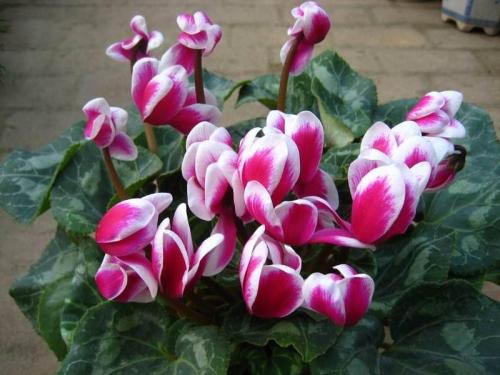
Cyclamen is a beautiful ornamental potted plant. It likes loose, fertile, well-drained sandy soil rich in humus; the common flower colors are red, white and pink.
It is a perennial herbaceous plant with a flattened round fleshy corm; it can be grown indoors or placed on an outdoor balcony. The pink cyclamen in my home began producing flower buds in large numbers starting in October, bloomed the most in January and February, and then continued blooming on and off until around mid-May.
The fruit that forms after cyclamen blooms (the ovary containing seeds) is super cute, round and plump; after it matures and bursts open, you can also harvest the seeds and propagate a few more plants!
For cyclamen, it takes about two and a half months from the fading of the flowers to the maturity of the seeds. When you see the fruit begin to turn yellow and soften, and small cracks appear at the top, it is ready to harvest. Put the harvested fruit in a cool place, dry it in the sun for a few days, remove any debris, and then it can be stored away.
It does not matter if you forget to harvest the seeds, because if they are left directly in the potting soil, they will find a way to survive and slowly grow into little new seedlings one by one!
Summer is the dormant period for cyclamen. You can move the potted plant to a cool place and reduce watering. By around September, before the next growing season arrives, it is a good time to repot them, replant them, and sow seeds.