Blueberry Benefits and Effects, Plus Planting and Care Methods with a Detailed Explanation of Soil Acidity Requirements
Blueberry (Blueberry) berries are small, but their nutritional value is very high. They contain a high amount of antioxidant phytonutrients, especially anthocyanins; they play an important role in preventing nearsightedness, cardiovascular disease, diabetes, senile dementia…
Now more and more gardening enthusiasts are trying to grow blueberry plants themselves in containers, but to successfully grow blueberries, you only need to put in a little more care, apply acidic fertilizer two to three times each year, prune the branches, and maintain soil acidity…. You can grow blueberries in your own yard too.
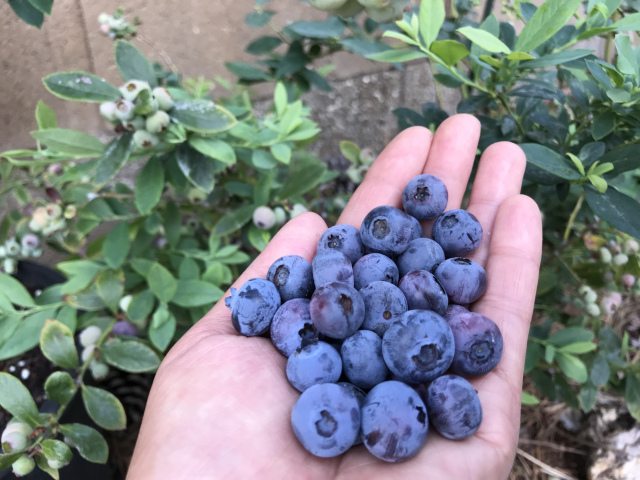
This is the third year of growing blueberries. The five blueberry bushes in the backyard finally produced a relatively larger crop this year. I hope the little birds that often invite themselves into the backyard will show mercy and leave us some berries to eat.
My blueberry (blueberry) growing experience
Blueberries like well-drained, acidic soil rich in organic matter. Whether grown in containers or planted in the ground, the general soil pH requirement is 4.5-5.5, and the organic matter content in the soil generally needs to be 8%-12%; for home container growing or ground planting, you can buy the potting soil or garden soil commonly found at flower markets and nurseries, or according to your own conditions, add organic matter such as peat, decayed moss or wood shavings, pine bark fragments, etc. In addition, add some sulfur each month, and when fertilizing, also pay attention to applying acidic fertilizer.
When blueberries grow, their root system is shallow and wide, so in hot seasons they need daily watering to keep the soil moist. Covering the soil surface with a layer of pine needles, shredded pine wood shavings, or used coffee grounds is a good way to keep soil moisture. Early spring, before new buds appear, is the most suitable season for planting or repotting.
Blueberries like sunlight, so choosing a location with 4 to 6 hours of sunlight is most suitable. In addition, blueberries are cold-tolerant and afraid of high temperatures, so during the summer and autumn seasons when branches and leaves are growing, if there is high heat approaching 90 degrees Fahrenheit or above, you need to add a shade net over the blueberry plants to block part of the sunlight and heat, reduce water evaporation, and prevent new buds from being sunburned.
Different varieties of blueberry bushes differ in mature plant height, flowering period, and soil acidity requirements. Planting two or more different varieties of blueberries with close flowering periods can increase cross-pollination and greatly improve the success rate of blueberry fruiting.
Sunshine-blue blueberry has relatively lower requirements for soil acidity and chill hours, making it a very suitable variety for beginners.
• Fertilizing & Care:Maintaining soil acidity and keeping the soil moist is one of the key factors for healthy growth and successful fruiting of blueberry bushes. It is recommended to use 1 tablespoon of 3-5% vinegar diluted in 1000 milliliters of water and apply it once a month, or sprinkle some sulfur around the plant.
Before the early spring flowering period (February), after early summer fruit harvest (May), and before leaf drop in August, you need to add acidic fertilizer for the blueberry bushes, or add potting soil suitable for acid-loving plants. Camellias, azaleas, and hydrangeas like acidic soil, and special potting soil and fertilizers suitable for these flowers are sold on the market. Using them to care for and plant blueberries is very suitable.
• Pruning and thinning branches:The branches that bear blueberries are usually old branches grown the previous year. The thicker the branches, the more new shoots there will be, and the more flowers and fruit there will be. From after leaf drop in winter to before new shoots and buds appear in early spring is the best time for pruning and thinning branches. Newly planted blueberry plants (the first two years) usually do not need branch pruning. When pruning branches, pay attention to first prune off black branches damaged by winter freezing or diseased branches, then prune crossing, curved, and thin small branches, keeping healthy and good blueberry branches.
What blueberry bushes like ~ growing location, soil requirements, sunlight, and moisture: how many of these conditions can you meet? Try to create the growing environment blueberries love, and you can grow blueberries in your own backyard too.