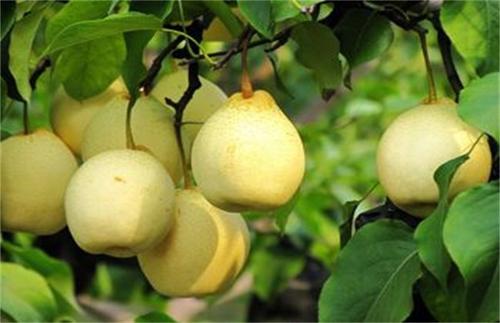
What nutritional value and benefits does the pear have? Who is suitable/not suitable to eat pears
Autumn is deeply upon us, and it is the best season to eat pears. So what is the taste of a pear like? What nutritional value does it have? Would you like to find out? Let's take a look together!
Pears taste crisp, refreshing and juicy, with a slightly sweet flavor, accompanied by tart and astringent notes, gathering all kinds of tastes in one, and therefore among the many fruits they enjoy the title of "chief of a hundred fruits." At the same time, pears are a good thing for moistening dryness and quenching thirst, and so they also have the nickname "natural mineral water."
Besides having a rich taste, they are themselves rich in highly nutritious components: protein, fat, carbohydrates, thiamine, riboflavin, nicotinic acid, malic acid, citric acid, fructose, sucrose, glucose, vitamin B1, B2, C and other organic components. There are alsopotassium, boron, calcium, magnesium, selenium, iron, manganese and other inorganic components as well as cellulose.
Among them:
◎Potassium helps the normal functioning of human cells and tissues, and regulates blood pressure;
◎Pears contain boron, which can prevent osteoporosis in women. When boron is sufficient, memory, concentration and mental acuity are improved;
◎Vitamin C can protect cells, enhance white blood cell activity, and is beneficial for maintaining skin elasticity and luster as well as for wound healing;
◎Pears contain abundant water-soluble fiber pectin, which helps digestion and cleans the intestinal tract, effectively improves long-term constipation, and further helps prevent colon and rectal cancer;
◎Lignin can dissolve in the intestines, forming a film like a gel, and can bind with cholesterol in the intestines and remove it;
◎Pears are rich in fiber; on average one pear contains 5 grams of fiber, which is equivalent to 1/4 of the human body's daily requirement. Fiber can help the stomach and intestines reduce the absorption of fat, and it also easily makes one feel full, reducing the portion eaten at main meals, thereby achieving the effect of dietary control.
In addition, it also has a calming and blood-pressure-lowering effect. For example, patients with coronary heart disease, high blood pressure, hepatitis, cirrhosis and so on who experience dizziness, palpitations and tinnitus will receive good rehabilitation results from frequently eating pears. In addition, for hepatitis patients it has the effect of protecting the liver, aiding digestion and increasing appetite. And it has the effects of nourishing yin and replenishing fluids, moistening the lungs and relieving cough, nourishing blood and promoting tissue regeneration, and clearing heat and reducing internal heat.
Although pears have so many benefits for eating, there are still recommendations regarding their consumption:
1. They are especially suitable for those with cough and thick phlegm or no phlegm, and those with itchy, dry and painful throat, patients with chronic bronchitis or pulmonary tuberculosis, patients with high blood pressure, heart disease, hepatitis or cirrhosis, and those who have drunk alcohol or have not yet sobered up from a hangover;
2. People with chronic enteritis, stomach cold disease or diabetes should avoid eating raw pears.
3. Pears are somewhat cold in nature and promote dampness; eating too many will harm the spleen and stomach, so those with spleen and stomach deficiency-cold or who fear cold foods should eat less.
4. Pears contain relatively more fruit acid, so those with high stomach acid should not eat too many.
5. Pears have a diuretic effect, so those who frequently urinate at night should eat fewer pears before bed.
6. Patients with blood deficiency, fear of cold, diarrhea or cold hands and feet should not eat many pears, and it is best to cook them before eating, to prevent the symptoms of damp cold from worsening.
7. Pears contain a high amount of sugar, so diabetics should be cautious.
8. Pears contain much fruit acid and should not be used together with alkaline drugs, such as aminophylline, baking soda and so on. Pears should not be eaten together with crab, to prevent causing diarrhea.
9. For those using them to relieve cough and resolve phlegm, it is not advisable to choose sweet pears with too high a sugar content.
In addition, research further indicates that smoking or eating grilled meat easily accumulates a large amount of the strongly carcinogenic substance polycyclic aromatic hydrocarbons in the body. After eating pears, a large amount of the 1-hydroxypyrene content in the blood can be carried out through urine. Heated pear juice contains an even larger amount of the anti-cancer substance polyphenols, further strengthening the effect of cancer prevention.
In this season of abundance, Rocky Fruit Market encourages everyone to buy and eat more, take the opportunity to nourish and condition the body's constitution, and enjoy high-quality fruit!