The Differences Between Millennium Cherry Tomatoes and Cherry Tomatoes, Plus Whether They Are Genetically Modified and Whether They Can Remove Freckles Explained
Cherry tomatoes and Millennium cherry tomatoes: most people are certainly familiar with cherry tomatoes. Both fruits are varieties of tomato, but their prices differ greatly, and some unscrupulous vendors on the market confuse the two fruits. So how do you tell them apart, and in what ways do they differ? Many people say cherry tomatoes are genetically modified food. Is that true? Actually, no. Tomato varieties are generally developed through crossbreeding.
Can cherry tomatoes remove freckles? Yes, they can, but the effect is not very noticeable, and generally they cannot remove severe spots either.
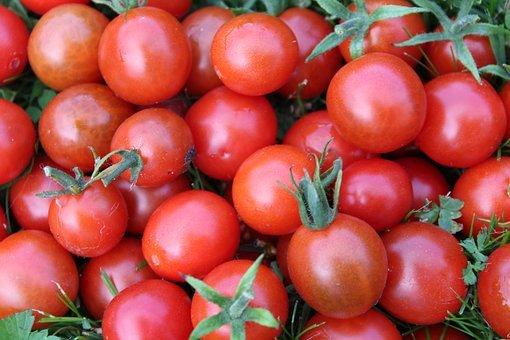
1. Different varieties: Millennium cherry tomatoes are available for a shorter time, and can only be eaten from the end of each year to the beginning of the following spring. Cherry tomatoes, however, have low requirements for their growing environment, can be planted in most regions, and are available all year round.
2. Different appearance: Millennium cherry tomatoes are rounder in shape and more red in color; cherry tomatoes are longer in shape, not as deep in color as Millennium cherry tomatoes, and tend toward yellow.
3. Different taste: ordinary cherry tomatoes taste sour, while Millennium cherry tomatoes taste sweet. Some people exclaim after eating Millennium cherry tomatoes: “Cherry tomatoes can taste this good!?” That's right! The difference in taste between Millennium cherry tomatoes and cherry tomatoes really is like night and day!
Characteristics of Millennium cherry tomatoes
1. Millennium cherry tomatoes are one size smaller than cherry tomatoes, and their appearance is somewhat rounder, while cherry tomatoes are more elongated.
2. Also, compared with cherry tomatoes, Millennium cherry tomatoes have thinner skin, softer flesh, and more juice.
3. Millennium cherry tomatoes taste better.
4. Although Millennium cherry tomatoes are smaller than cherry tomatoes, their nutritional content is in no way inferior to that of cherry tomatoes, and their content of vitamin PP (vitamin B3) is astonishingly high.