-

What are the symptoms of zinc deficiency in flowers?
What are the symptoms of zinc deficiency in flowers
-

What is the role of zinc fertilizer for rice? Detailed explanation of application methods and precautions
Zinc is one of the essential trace elements for plants. China has many zinc-deficient soils, and applying zinc to zinc-deficient soil produces significant yield increases, with the effect being especially pronounced when zinc fertilizer is applied to rice. So what is the role of zinc fertilizer for rice? How should zinc fertilizer be used? What precautions are there? Zinc fertilizer for rice
-
Typical Symptoms and Control Methods of Zinc Deficiency in Rice, Corn, Wheat, and Other Crops
Zinc supplementation in crops can increase crop yields and is an essential element for crop growth. Zinc is a growth element and participates in the metabolism of auxin. So what are the typical symptoms of zinc deficiency in crops such as rice, corn, and wheat? What are the control methods? Rice,
-
Can eating spinach really supplement iron? How do you replenish the human body's trace elements such as iron, copper, zinc, chromium, molybdenum, selenium, iodine and cobalt?
In our daily life, have you also heard the saying that spinach is rich in iron and can make people strong and healthy? So does eating spinach really help supplement iron? Some experts point out that relying on spinach to meet the human body's need for iron is not reliable, because only
-
What are the symptoms of zinc deficiency in corn?
During its growth period, corn has high fertilizer requirements, especially for nitrogen, phosphorus and potassium, which are needed in the largest amounts, and small amounts of trace elements are also indispensable. So what are the symptoms of zinc deficiency in corn? 1. What are the symptoms of zinc deficiency in corn? When corn is deficient in zinc at the seedling stage, the leaves show chlorosis.
-
What diseases can the fungicide pyraclostrobin + propineb treat?
Propineb is a broad-spectrum, fast-acting protective fungicide that works by inhibiting the oxidation of pyruvic acid within pathogen cells, and has a special effect on cucumber downy mildew; pyraclostrobin is a new broad-spectrum fungicide and mitochondrial respiration inhibitor. It has protective, curative, and leaf-penetrating conductive action, and is mainly used for cucumber downy mildew.
-
Occurrence Patterns and Control Methods of Zinc Deficiency in Apple Trees
Apple trees are highly susceptible to diseases during cultivation, especially physiological diseases caused by zinc deficiency, which we also call little leaf disease. The occurrence of this disease can cause apple tree leaves to turn yellow or grow relatively small. Let us take a look below
-
Don't Forget to Supplement Silicon and Zinc Fertilizers When Fertilizing Rice
In the optimized formula fertilization of rice, people often attach great importance to the combined application of macronutrient fertilizers such as nitrogen, phosphorus, and potassium, but overlook the application of elements such as silicon and zinc. In fact, rice is a crop that absorbs a relatively large amount of silicon, and the stems and leaves generally contain 10
-
What are the control methods for nutrient deficiency diseases in citrus
Zinc deficiency causes mottled leaf disease. Citrus mottled leaf disease is a common disease, with the typical symptom being mottled small leaves. When new leaves begin to turn green, the main veins and lateral veins appear markedly green, while the remaining tissue is light green to yellowish white and glossy. In severe cases, only the area near the main vein or thick lateral veins is green, and the new leaves are narrow and mottled, mostly upright, with short internodes and clustered branches. Mottled disease is caused by zinc deficiency. Many soils are deficient in zinc, such as soils formed from granite, gneiss, and serpentinite, which contain little zinc; acidic sandy soils lose zinc easily; in alkaline soils zinc readily forms insoluble compounds, thus causing zinc deficiency. In addition, soil that is too dry or too wet, low humus content or excessive application of organic matter, which hinders contact between roots and soil, as well as heavy pruning, all make zinc deficiency likely to occur. Foliar fertilization can achieve fairly good results in controlling zinc deficiency. It is advisable to spray 0.2%-0.3% zinc sulfate solution (with an equal amount of lime) once during the tender shoot stage, and spray 2-3 times for severe zinc deficiency.</p><p></p><p>Copper deficiency or boron deficiency causes dieback disease. In the early stage of copper deficiency in citrus, new shoots are long, soft, and slightly curved, the leaves are large and dark, and fruiting is low, so it is easily mistaken for excessive vigor. In severe cases, the tips of the shoots turn tea-brown and die, short weak clustered branches appear, and they dry out and drop early and gum exudes; when the branches mature, the wounds are reddish brown, and parts of the leaves are reddish brown. Citrus has a very small copper requirement, and ordinary spraying of Bordeaux mixture is already sufficient. However, copper deficiency is likely to occur in peat soil, acidic sandy soil, soil with high organic matter content, as well as on abandoned grazing land and abandoned cemetery land; excessive application of barnyard manure and phosphate fertilizer also causes copper deficiency; newly reclaimed citrus orchards that have not been sprayed with Bordeaux mixture or other copper preparations for several years are prone to copper deficiency. Boron deficiency in citrus: the growing points of buds die continuously, forming clustered buds; leaf veins swell, become corky or split; the fruit is small and deformed, with thick hard peel, and brown resin deposits are present in the fruit center and spongy layer. Boron is easily lost from acidic soil, hence boron deficiency. In soil parent materials such as granite, gneiss, and schist, boron content is extremely low; in alkaline soil its solubility is poor, so boron is also deficient. Excessive application of phosphate fertilizer or lime, or soil drought, all affect the availability of boron and the absorption of boron by roots; sour orange has weak boron uptake, so citrus grafted onto sour orange rootstock is generally deficient in boron. For copper deficiency, Bordeaux mixture or other copper fertilizers can be sprayed. To supplement boron, soil application can be used, or 0.05%-0.1% boron fertilizer solution can be sprayed at the bud stage, flowering stage, and small fruit stage.</p>
-
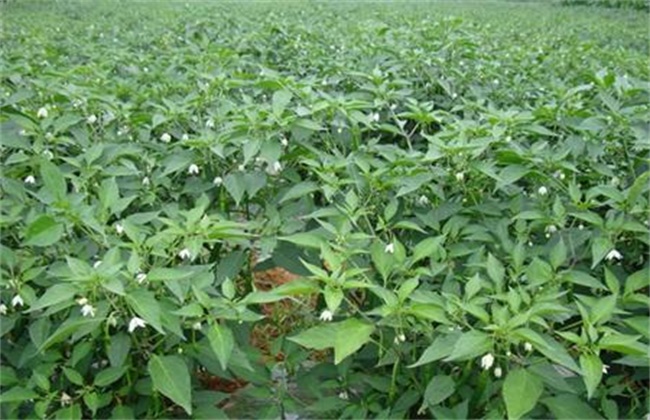
What are the precautions for applying zinc fertilizer to vegetables
Precautions for applying zinc fertilizer to vegetables
条件筛选