-

Detailed Explanation of Key Technical Points for Rice-Shrimp Farming
First, transform the paddy field, clear wild growth and disinfect, apply fertilizer, and plant aquatic plants. By mid-to-late March, release shrimp seedlings, and the daily feed mainly consists of wheat, corn and small trash fish, evenly sprinkled. Then harvest before rice planting. After harvesting is completed, adopt the Da
-
Detailed explanation of rice-shrimp co-cropping farming techniques, master the method of raising shrimp in rice fields
1. Overview The rice-shrimp co-cropping model upgrades the single planting model of ordinary rice fields into a three-dimensional ecological combination of planting and breeding, that is, raising red swamp crayfish (Procambarus clarkii) during the rice growing period, with red swamp crayfish and rice growing together in the rice field. This production model can make full use of
-
How to control weeds in rice-shrimp paddies? Practical methods for weed control in the field
Farming crayfish in rice paddies is a production model that organically combines crop farming and aquaculture. It uses the natural environment of the rice paddy, supplemented by a manually created ecosystem, to both grow rice and farm crayfish. So, how do you control weeds in rice-shrimp paddies? 1.
-
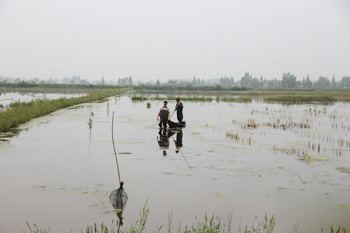
Rice-shrimp co-cropping achieves one rice harvest and two shrimp harvests, increasing each household's income by 3000 yuan
One rice harvest and two shrimp harvests increase each household's income by 3000 yuan
-
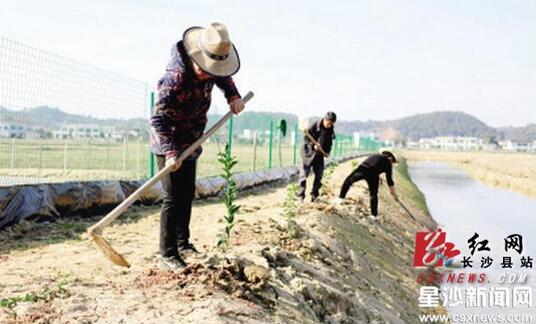
New rice-shrimp symbiotic model in Changsha County, Hunan helps farmers increase income and become prosperous
Changsha County, Hunan: Farmland plays new tricks, "rice-shrimp" symbiosis brings prosperity
-
Five Steps for Stocking Brood Shrimp in Rice-Shrimp Rotation Explained
Now is the golden time for stocking brood shrimp. Farmers should pay attention to the following points when stocking brood shrimp: 1. Carry out basic rice field renovation, mainly by digging perimeter ditches, reinforcing embankments, building water inlet and drainage systems, and setting up anti-escape facilities. 2. Disinfect the perimeter ditches well, preferably by spreading quicklime throughout, with a dosage of 100 jin per mu, and stock brood shrimp one week later. 3. Select good brood shrimp and stock them reasonably. Choose sexually mature, healthy individuals with complete appendages, and stock them at a female-to-male ratio of 3:1. Stock 15-20 kg of brood shrimp per mu. In rice fields that have been used for farming before
-
What are the precautions for releasing brood shrimp in rice-shrimp rotation
Currently it is the golden time for releasing brood shrimp. When releasing brood shrimp, farmers should pay attention to the following points: 1. Do a good job of basic rice field renovation, mainly by digging the surrounding ditches well, reinforcing the embankments, building the inlet and drainage systems well, and setting up anti-escape facilities. 2. Do a good job of disinfecting the surrounding ditches, preferably by spreading quicklime evenly, with a dosage of 100 jin per mu, and release the brood shrimp one week later. 3. Select good brood shrimp and release them reasonably. The brood shrimp to be released should be sexually mature, healthy, and have complete appendages, and should be released at a female-to-male ratio of 3:1. Release brood shrimp per mu
-
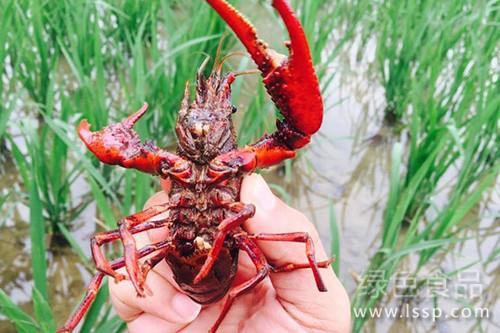
Rice in the fields, shrimp in the water, shrimp waste fertilizes the fields: a new model of rice-shrimp co-cropping
Rice in the fields, shrimp in the water, shrimp waste fertilizes the fields: a new model of rice-shrimp co-cropping
条件筛选