-

A Detailed Guide to Selecting and Breeding Ricefield Eel Fry
The ricefield eel has extremely delicious meat and is rich in nutrients, with both medicinal value; it is a nourishing aquatic product much loved by the public. In addition, the ricefield eel is highly resilient, easy to transport, and can be sold live, so developing artificial ricefield eel farming has a certain market prospect. At present, ricefield eel farming
-
What technical points must be mastered for polyculture of fish, shrimp, ricefield eel, loach, crab, and crayfish?
1. Pond selection. The pond is nearly square, with surrounding ditches 8 m wide and 0.6 m-0.8 m deep, the beach surface can be raised with water to 1.2 m, the pond bottom is sandy soil, the water source and water quality are good, and water inlet and drainage facilities are complete. On the inner side of the pond, fine-mesh polyethylene netting is buried in the soil to prevent ricefield eels, loaches, red swamp crayfish, crabs, etc. from burrowing. Asbestos tiles are used as an escape-prevention wall. The pond must be strictly disinfected with quicklime and other drugs, sufficient base fertilizer applied, natural feed cultivated, and aquatic plants such as tarragon and tape grass planted. Around Qingming, a large amount of live river snails
-
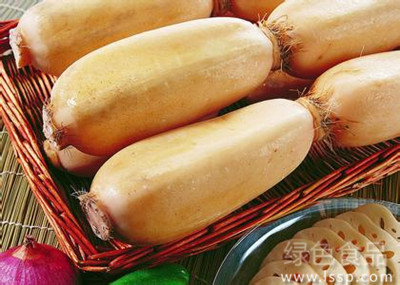
Mixed polyculture of ricefield eels, loaches, silver carp, bighead carp and lotus in the same pond yields fast growth
Eels, loaches, silver carp, bighead carp and lotus: four fish species and one plant growing together in the same pond grow fast
-
Methods and Techniques for Cage Culture of Loach and Ricefield Eel
Methods for Raising Loach and Ricefield Eel in Cages
-
Analysis of Eight Major Misconceptions in Soilless Culture of Ricefield Eel
Moving Beyond the Eight Major Misconceptions in Soilless Culture of Ricefield Eel
-
How can disease prevention and control be carried out properly in pollution-free ricefield eel farming?
Disease prevention and control in pollution-free ricefield eel farming
条件筛选