-

Prevention and Treatment of Prolapse of the Cloaca in Laying Hens
Prolapse of the cloaca in laying hens is caused by insufficient exercise during the rearing period, excessive body fat, hens starting to lay too early or too late, excessive protein supply in the diet, deficiency of vitamin A and vitamin E in the diet, improper lighting or insufficient vitamin D supply, as well as some pathological factors.
-
Treatment Methods for Rectal Prolapse in Ostrich Farming
Recently, two ostrich farms reported that young ostriches had developed rectal prolapse. Such problems rarely occurred in past rearing and transport, and now I will briefly explain the situation I have learned. It has been learned that both units purchased 1
-
What to do about uterine prolapse in sows? Pig farm owners should save this emergency treatment guide
Emergency treatment measures for uterine prolapse in sows! Sow farm owners should save this
-
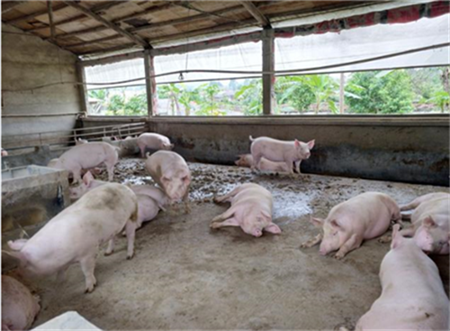
What to do about rectal prolapse in pigs? Simple treatment methods for each stage are very effective
Simple treatment of rectal prolapse in pigs at each stage, tried and tested every time!
-
How to Handle Uterine Bleeding and Uterine Prolapse in Sows
How to Handle Uterine Bleeding and Uterine Prolapse in Sows
-
Symptoms and Diagnosis of Rectal Prolapse in Pigs
[Overview] The protrusion of part of the rectum or part of the large intestine through the anus to the outside of the anus is called rectal prolapse, commonly known as prolapse of the anus. [Cause/Pathogen] It is mainly caused by constipation, diarrhea, weakness after illness, and strong tenesmus induced by enemas with irritating drugs, or chronic constipation or diarrhea, late pregnancy in sows, etc., with strong tenesmus, increased intra-abdominal pressure, and relaxation of the anal sphincter, prompting part or most of the rectum to turn outward through the anus and fail to retract on its own. [Symptoms] In the early stage of the disease, the rectal mucosa often turns out during defecation.
-
How to treat rectal prolapse in pigs? Introduction to commonly used therapies
Rectal prolapse in pigs falls into two situations: the first is that the sick pig can retract the prolapsed tissue on its own when standing, but it protrudes again when defecating; the second is that the sick pig cannot retract it on its own when standing. For the latter, surgical treatment is often adopted, with a cure rate of up to 100%. Now, for the first situation, a simple therapy worth promoting is introduced. Use a 0.1-0.2% potassium permanganate solution, while it is still warm, to wash the affected area, dry it with sterile gauze, and apply an appropriate amount of river snail meat paste to the affected area. Preparation of river snail meat paste: wash the river snails, remove the shells and take the meat, use a 0
-
Fox Prolapse of the Rectum
Prolapse of the rectum (rectal prolapse) is mostly secondary to severe indigestion or gastroenteritis with diarrhea, and young animals are prone to it. Due to tenesmus, abdominal pressure rises, and after the animal defecates, a curved, cylindrical tube protrudes from the anus. Because of the clamping action of the anal sphincter, the intestinal tract becomes edematous and is easily injured and prone to bleeding. If not treated in time, the mucosa gradually turns from red to purple, and in severe cases becomes black and necrotic. When prolapse of the rectum is discovered, it must be reduced promptly. First, wash the dirt adhering to the rectum with a 0.1% potassium permanganate aqueous solution. If edema has already occurred, gently
-
What are the effective treatments for rectal prolapse in pigs?
Pig rectal prolapse is divided into two cases: the first is that the sick pig can recover on its own when standing, but the rectum can protrude again during defecation; the second is that the sick pig cannot reduce the prolapse on its own when standing. The treatment method is to wash the affected area with a warm 0.1%-0.2% potassium permanganate solution, dry it with sterile gauze, and then apply an appropriate amount of snail meat paste to the affected area. The specific method for making snail meat paste is: wash the snails clean, remove the shells and take the meat, wash the snail meat and the tool used to mash the snail meat with a 0.2% potassium permanganate solution, and then mash the snail meat into a paste.
-
What are the treatment methods for rectal prolapse in donkeys?
Rectal prolapse in donkeys, commonly known as prolapsed anus, is a frequently occurring condition in equine animals, and is more likely to occur in northern regions under housing conditions and poor feeding conditions. A typical case is reported as follows: I. Onset symptoms On September 5, 2005, among the 9 Jiangyue donkeys raised by Li in the breeding community of Naimenmodun Township, two developed prolapsed anus. The affected donkeys showed relatively frequent straining, accompanied by groaning and teeth grinding, pawing the ground with the forelimbs, kicking the abdomen with the hindlimbs, extreme restlessness, inability to stand still, pacing back and forth, frequently raising the tail, and intestinal tract protruding outside the anus, cylindrical in shape and swinging left and right
条件筛选