-

Master These Techniques and Pre-Winter Orchard Management Won't Be a Struggle Anymore
Most fruit trees enter dormancy in winter. At this time, deciduous fruit trees have basically shed their leaves and shoot growth has stopped, but a series of activities still continue inside the tree body, such as respiration, transpiration, bud differentiation and development, and root absorption. The Start of Winter is coming soon, and many growers
-
Detailed Guide to Pre-Winter Preparation and Overwintering Techniques for Rice Field Eel Farming
After entering October, those engaged in rice field eel farming should pay close attention, because in another month or so, it will almost be time for the rice field eel's hibernation period. So, before the rice field eel overwinters, what exactly should be done for them? 1. Let the rice field eels eat their fill so they have enough physical energy; 2.
-
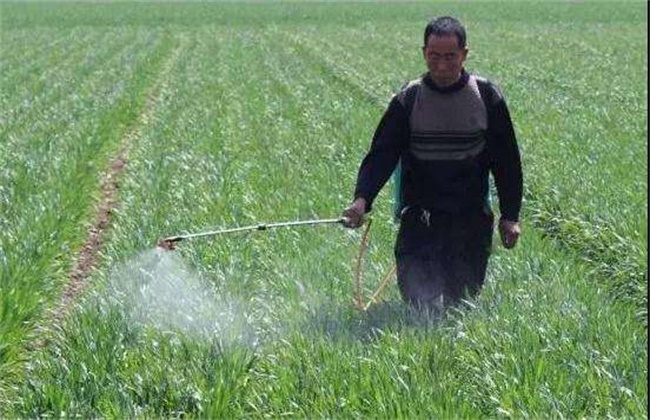
What precautions should be taken for pre-winter weed control in wheat?
Precautions for pre-winter weed control in wheat
-
Practical new methods for pre-winter management of flowers and nursery stock
New tips for pre-winter management of flowers and nursery stock
-
Pre-winter management of flowers and nursery stock, and prevention and control of edible fungus diseases
Pre-winter management of flowers and nursery stock
-
Eight steps for meticulous pre-winter management of garlic
Land preparation and fertilization. Choose fertile loam or sandy loam soil where onions, garlic or Chinese chives have not been grown before. Before ploughing, apply 7500 kg of high-quality farmyard manure and 200 kg of soybean cake per 667 sq m. Or apply 100-150 kg of ternary compound fertilizer and 5000 kg of farmyard manure per 667 sq m. The land should be levelled and harrowed fine. Along with land preparation, use 1.5-2.5 kg of phoxim granules per 667 sq m, mix with an appropriate amount of wheat bran and soybean cake to make poisoned bait, and scatter it into the soil clods of the ploughed land to kill white grubs, wireworms, mole crickets and other underground pests.
-
Normal pre-winter use of tribenuron-methyl has little effect on succeeding cotton
Liu Wenzhang from Hengjing Town, Gaoyou City called to say that he sprayed tribenuron-methyl in his wheat field for chemical weed control, using the product according to the instructions, with the per-mu rate of 10% tribenuron-methyl at less than 15 grams. He heard that tribenuron-methyl, chlorsulfuron and metsulfuron-methyl belong to the same class of herbicides, and that chlorsulfuron and metsulfuron-methyl both have very long residual activity periods, often causing residual phytotoxicity to succeeding crops. He did not know how long the residual period of tribenuron-methyl is, and whether a field sprayed with tribenuron-methyl before winter would suffer from herbicide residue effects when cotton is planted as the succeeding crop. Tribenuron-methyl is a commonly used herbicide for controlling broadleaf weeds in wheat fields. Wheat, large
-
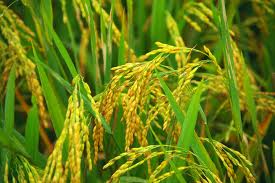
Technical recommendations for wheat sowing period and pre-winter disease, insect pest and weed control
Recommendations for wheat sowing period and pre-winter disease, insect pest and weed control
-
Key Technical Points for Pre-Winter Weed Control in Wheat Fields
Pre-Winter Weed Control Techniques in Wheat Fields
-
Key Technical Points for Pre-Winter Weed Control in Wheat Fields
Pre-Winter Weed Control Techniques in Wheat Fields
条件筛选