Technical recommendations for wheat sowing period and pre-winter disease, insect pest and weed control
The main targets for control during the sowing period in our city's wheat fields are wheat soil-dwelling insect pests (wireworms, white grubs) and seed-borne and soil-borne diseases (with emphasis on wheat smut and take-all disease); after seedling emergence, the targets are wheat eyespot disease and monocotyledonous weeds in wheat fields (mainly brome grass), etc. After wheat sowing, wireworms cause severe damage in localized plots, with the highest damage rate to wheat seedlings reaching over 20%, often resulting in missing seedlings and broken rows; in 2009, wheat take-all disease spread rapidly, with a total affected area of 8,500 mu citywide, an increase of 21.43% over the previous year, showing a tendency toward heavier severity in new disease areas and increased severity in sporadically affected plots; wheat eyespot disease also showed a marked resurgence this year; monocotyledonous weeds in wheat fields had already affected 5,000 mu citywide in 2009. The affected areas have involved some villages in seven townships. Among them, some villages in Xiaoxinzhuang, Xinleitou and Qianying Township are severely affected. Therefore, we hope that farmers, while addressing longstanding disease, insect pest and weed problems, will also pay attention to the occurrence and harm of new diseases, insect pests and weeds, earnestly carry out integrated management of diseases, insect pests and weeds, and integrate effective measures to bring them under control, laying a good foundation for stable and high wheat yields.
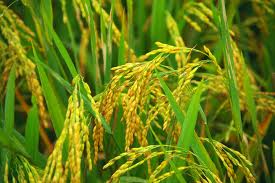
(1) Select superior varieties and carry out proper seed treatment:
1. Choose varieties with high quality and high yield, good comprehensive stress resistance, and suitability for the local area or local plot. Varieties available for selection: Shijiazhuang No. 8, Shimai 15, Shimai 18, Shiyou 17, Gaoyou 2018, Liangxing 99, etc. Wheat fields with take-all disease or smut diseases must have their seed replaced.
2. Seed treatment: Seeds should be sun-dried before sowing; non-coated seeds must be sieved to remove diseased grains, insect-damaged grains, shriveled grains and weed seeds, improving germination vigor and seedling uniformity; non-coated seeds must be treated with chemicals. Formula: add 30-35 ml of 20% triadimefon per 100 jin of seed; for take-all disease wheat fields, switch to 100 ml of 2% guazatine or 12.5% quintozen, or 250 ml of 3% difenoconazole plus 50 ml of 25% fludioxonil, mix evenly, and pile and cover for 4-6 hours; at the same time, mix in 150-200 ml of 50% phoxim or 40% methyl-isofenphos to also control soil-dwelling insect pests.
3. Soil chemical treatment. Mainly for fields where take-all disease occurs. For wheat fields with sporadic disease throughout the field, after moisture conditioning, apply 3 kg of 50% carbendazim or 2 kg of 70% thiophanate-methyl + 100 kg of water per mu sprayed onto the soil surface, or mix with 50 kg of fine soil and broadcast evenly, then plow and prepare the land; or apply 100 g of 85% trichloroisocyanuric acid (Zhiyu) per mu mixed with 20 kg of fine soil or blended into base fertilizer (preferably one with a high phosphorus ratio) and broadcast, then plow and sow.
(2) Create an environment unfavorable for the occurrence of diseases and insect pests in wheat fields: 1. Promote rotation of take-all disease wheat fields with dicotyledonous crops such as cotton and vegetables; 2. Reduce interplanted fields and strip fields; 3. Eliminate weeds in the surrounding environment outside wheat fields to destroy sources of insect pests and fungal inoculum; 4. Avoid using the same machinery in both take-all disease wheat fields and non-diseased fields.
(3) Pre-winter chemical control:
1. When 50% of wheat seedlings have emerged, use 30 ml of pyrethroid plus 10 g of imidacloprid per tank for spray control, with a second application 7-10 days later, mainly for small wheat fields and the surroundings of large square wheat fields, including environmental spraying, which can effectively control planthoppers, leafhoppers, Swedish flies, soil locusts, crickets and other insect pests, and control disease occurrence.
2. At 20-30 days after wheat sowing, i.e. the 3-leaf stage, spray along the rows with 20% triadimefon at 750-1000 times dilution; spray again the following year at the green-up stage, combining seed dressing, soil treatment and other measures to control the occurrence and spread of wheat take-all disease through multiple approaches.
3. Pre-winter weed control: Chemical weeding is best done from late October to early November before winter, i.e. when wheat has emerged with 3-6 leaves and weeds are at the 2-6 leaf stage, the earlier the better after weeds have basically emerged. For dicotyledonous weed wheat fields, use 10 g of 10% tribenuron-methyl or 1 g of 75% metsulfuron-methyl per mu. For monocotyledonous weed wheat fields, use 30 ml of 3% mesosulfuron oil suspension concentrate plus 50-100 ml of adjuvant or 2-3 g of 70% fenoxaprop-p-ethyl per mu, choosing either one, diluted in 40-50 kg of water for stem and leaf spray control.
Note: 1. Choose sunny and warm weather for spraying, with the minimum temperature not lower than 4°C; do not water for 2-3 days after spraying; 2. Special strong-gluten wheat and hard wheat fields should not use monocotyledonous weed herbicides. 3. Strictly control the dosage to avoid phytotoxicity. 4. When spraying, never spray more where weeds are dense; spray the entire field evenly.